
Home improvement projects are an exciting way to upgrade your space, improve comfort, and increase the value of your property. Whether you are planning a modern bathroom renovation, upgrading your kitchen, or doing a full home remodel, the focus is usually on design, materials, and budget.
However, there is one critical factor that many homeowners overlook — legal responsibility during renovation.
A home renovation is not just about construction. It also involves safety standards, agreements, and compliance with regulations. Ignoring these aspects can lead to serious issues, including disputes, penalties, or even legal complications. Understanding these risks in advance can help you avoid unnecessary stress and protect your investment.

Why Legal Awareness Is Important in Home Renovation
Most homeowners assume that hiring a contractor is enough to handle everything professionally. While contractors manage the technical side of construction, homeowners still share responsibility for what happens on their property.
Legal awareness helps you:
- Avoid disputes with contractors
- Ensure safety for everyone in the home
- Follow local construction laws
- Protect your financial investment
Without proper understanding, even a simple renovation can turn into a complicated situation.
Understanding the Risks of an Active Construction Environment
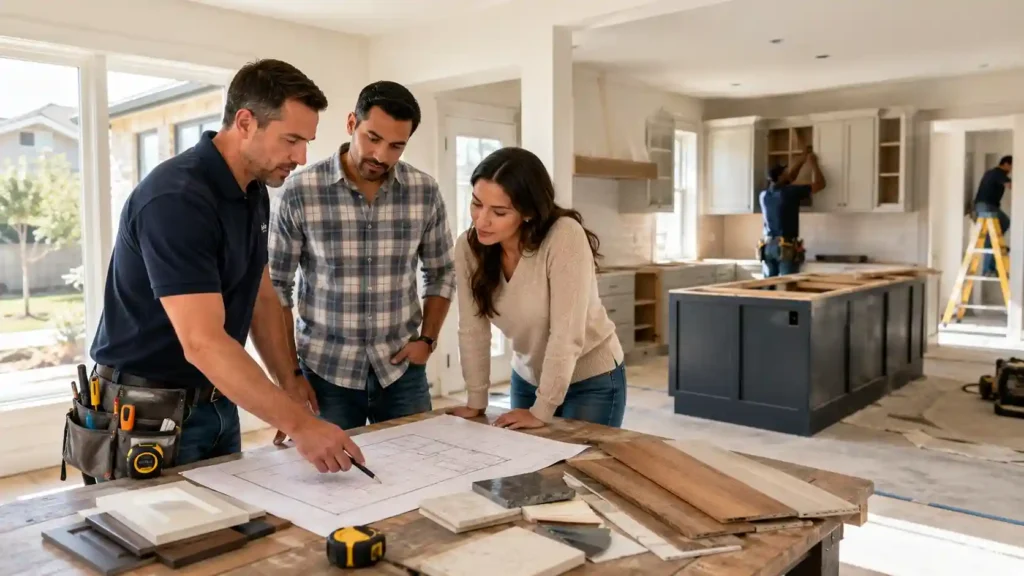
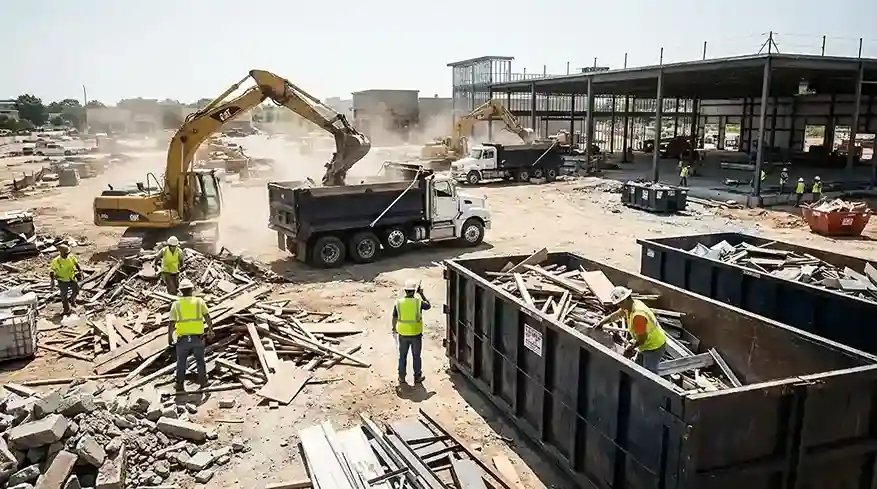
During renovation, your home temporarily becomes a construction site. This creates risks that are not present in a normal living environment.
Some common hazards include:
- Exposed electrical systems
- Sharp tools and heavy machinery
- Slippery surfaces and debris
- Open walls, ceilings, or flooring
If your family continues to live in the home during construction, these risks become more serious. Children, in particular, may not understand the dangers and can accidentally enter unsafe areas.
In extreme situations, unsafe living conditions can raise concerns about the well-being of individuals in the home. Legal professionals, such as an Oklahoma CPS attorney, may handle cases where a child’s environment is considered unsafe. While this is rare in standard renovation projects, it shows how important it is to maintain proper safety measures throughout the process.
The Role of Contracts in Protecting Homeowners
One of the biggest mistakes homeowners make is relying on verbal agreements. Without a written contract, it becomes difficult to prove what was agreed upon if problems arise.
A strong renovation contract should include:
- Detailed description of work
- Project timeline and deadlines
- Payment terms and schedule
- Responsibility for materials
- Safety and cleanup obligations
Contracts act as a safety net. They protect both the homeowner and the contractor by clearly defining expectations.
Building Permits and Why They Matter
Many homeowners try to skip permits to save time or money, but this can create serious long-term problems.
Building permits ensure that your renovation:
- Meets safety standards
- Follows structural guidelines
- Complies with local laws
Failing to obtain proper permits can lead to:
- Heavy fines
- Project shutdowns
- Legal notices
- Problems when selling the property
In some cases, authorities may require you to remove or redo completed work if it does not meet regulations.
Managing Contractors the Right Way
Hiring a contractor is not just about choosing the lowest price. It is about selecting someone reliable, experienced, and professional.
Here are a few important steps:
- Check previous work and reviews
- Verify licenses and certifications
- Discuss expectations clearly
- Keep communication open
Even with a good contractor, misunderstandings can happen. That is why documentation and regular updates are essential throughout the project.
Safety Measures Every Homeowner Should Follow
Keeping your home safe during renovation should be your top priority. Simple steps can prevent major problems.
Basic Safety Tips:
- Block off construction areas
- Install temporary barriers if needed
- Store tools safely after work hours
- Ensure proper lighting and ventilation
- Keep emergency contacts accessible
For Families with Children:
- Never leave children unsupervised near work zones
- Explain basic safety rules in simple terms
- Create safe play areas away from construction
These precautions reduce risks and help maintain a safe environment.
Common Legal Issues in Home Improvement Projects
Even well-planned renovations can face challenges. Being aware of common issues helps you prepare in advance.
1. Payment Disputes
Disagreements may arise over project costs, especially if changes are made during construction.
2. Delays in Completion
Unexpected delays can lead to frustration and financial strain.
3. Work Quality Concerns
If the finished work does not meet expectations, resolving the issue can become difficult without proper documentation.
4. Property Damage
Construction work may accidentally damage neighboring properties, leading to liability issues.
5. Safety Violations
Accidents during construction can result in legal claims if safety standards are not followed.
Understanding these risks allows you to take preventive measures early.
The Importance of Insurance Coverage
Insurance is another critical factor that many homeowners ignore.
Before starting a renovation, you should check:
- Home insurance coverage
- Contractor’s liability insurance
- Worker protection policies
Insurance helps protect you from unexpected expenses caused by accidents, damages, or injuries.
When Should You Consider Legal Guidance?
Not every project requires legal help, but there are situations where it can be useful:
- Contract disputes with contractors
- Issues related to permits or regulations
- Safety concerns within the property
- Property damage claims
Legal professionals help clarify rights and responsibilities, making it easier to resolve conflicts in a structured way.
Long-Term Impact of Ignoring Legal Aspects
Ignoring legal responsibilities during renovation can lead to long-term problems, such as:
- Reduced property value
- Difficulty selling your home
- Ongoing legal disputes
- Additional repair costs
On the other hand, proper planning ensures that your home remains safe, valuable, and legally compliant.
Smart Planning for a Successful Renovation
A successful renovation is not just about design — it’s about planning everything carefully.
Key Steps for Success:
- Set a realistic budget
- Choose reliable professionals
- Use written agreements
- Follow all legal requirements
- Prioritize safety at every stage
When you combine these elements, your project becomes more organized and stress-free.
Balancing Design, Functionality, and Responsibility
Modern home improvement trends focus on aesthetics and comfort, but responsibility should always come first.
A well-designed home should also be:
- Safe for all occupants
- Structurally sound
- Legally compliant
- Built to last
This balance ensures that your investment provides long-term benefits.
Final Thoughts
Home renovation is a powerful way to improve your living space, but it comes with responsibilities that should not be ignored. Beyond materials and design, understanding legal risks is essential for a smooth and successful project.
By focusing on safety, proper documentation, and compliance with regulations, homeowners can avoid unnecessary complications and protect their investment. Even small steps toward awareness can make a big difference in the outcome of your project.
In the end, a successful renovation is not just about how your home looks — it’s about how well it is built, managed, and protected.