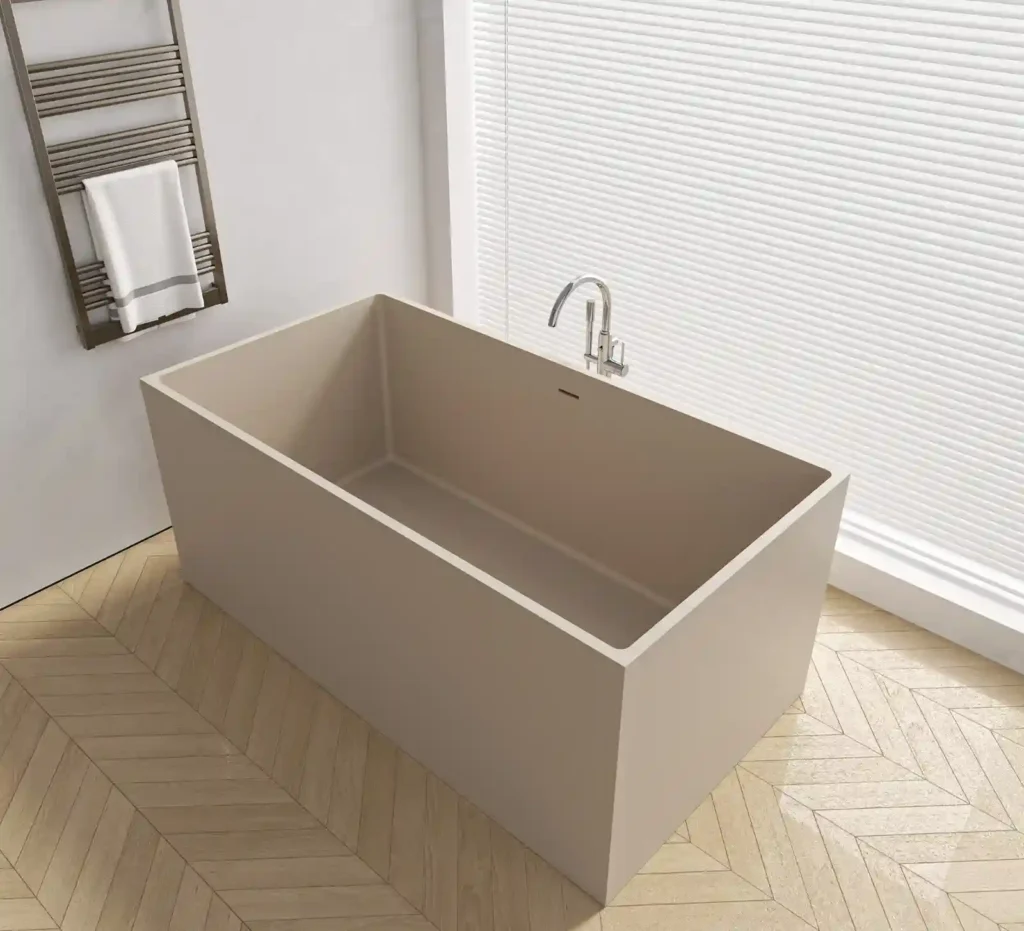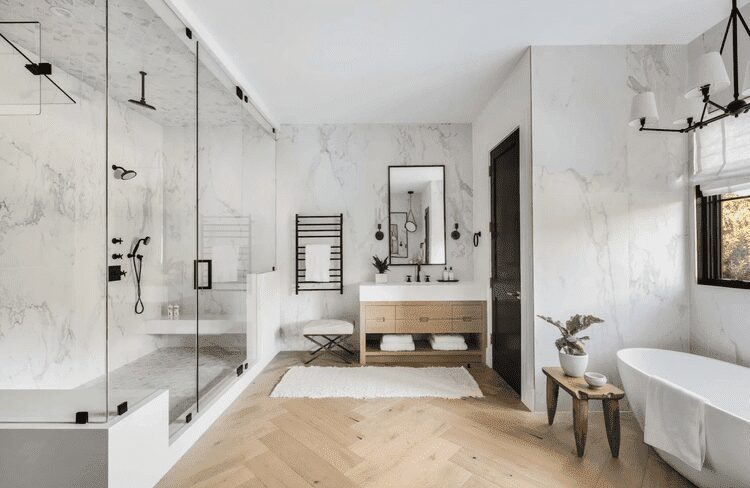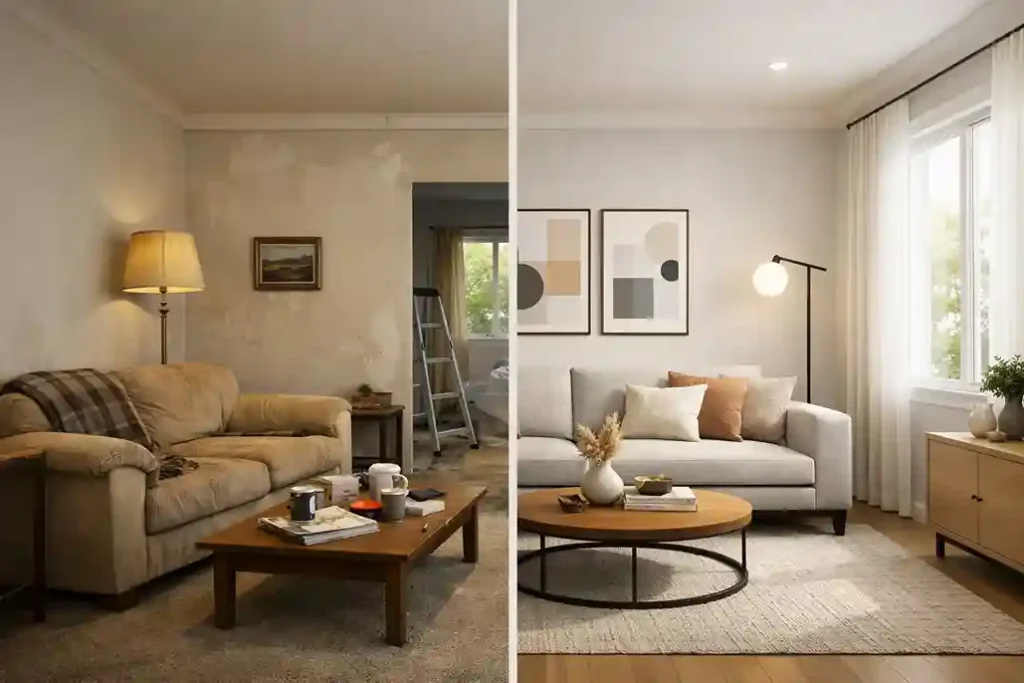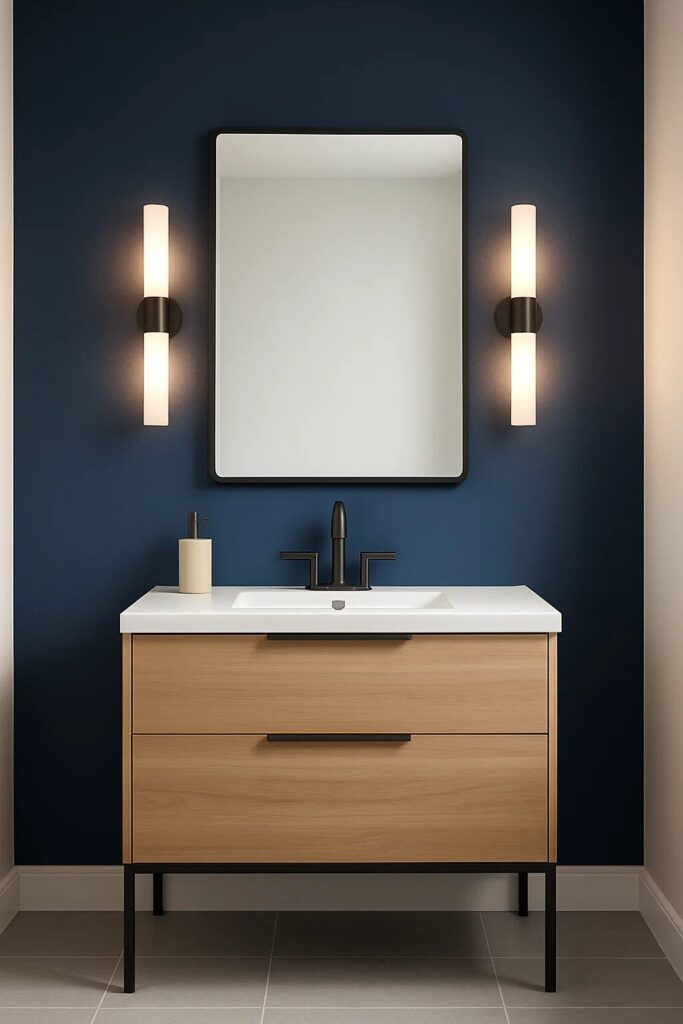

A bathroom renovation looks simple from the outside. New tiles, a better vanity, fresh lighting, a cleaner shower, maybe a warmer floor. Interior renovation feels the same way at first. Paint, flooring, trim, storage, layout changes. Easy to imagine, harder to execute well.
The trouble is that bathrooms and interior spaces hide a lot behind the surface. Moisture, ventilation, plumbing, wiring, wall condition, uneven floors, poor framing, old insulation, and awkward layouts can all affect the final result. A room can look beautiful for six months and then begin to show the mistakes that were made before the finishes went on.
That is why good renovation starts before demolition. It starts with asking what the room needs, what the home can support, and what should be fixed while the walls, floors, or fixtures are already being changed.
Brands like drytech home renovations show how careful planning, moisture control, and functional design can make interior renovation smoother from the start. The better the early decisions, the fewer regrets homeowners usually face later.
Start With the Problem, Not the Pinterest Board
Inspiration photos are useful, but they can also mislead. A bathroom that looks perfect online may belong to a completely different type of home, with different light, ceiling height, plumbing location, budget, and daily use.
Before choosing tiles or fixtures, look at what is actually wrong with the space.
Is the bathroom too dark? Is the shower leaking? Is the vanity too small? Is there no storage? Does the fan work properly? Is the floor cold? Are towels always hanging in the wrong place? Do two people use the room at the same time? Is the layout cramped because the door swing is badly placed?
The same thinking applies to interior renovation. A living room may not need expensive wall panelling. It may need better lighting and less bulky furniture. A bedroom may not need a dramatic feature wall. It may need storage that stops clothes from spilling everywhere. A basement may not need a luxury media room. It may need moisture control, warmth, and proper flooring.
A renovation should solve the daily irritations first. Style can come after.
Bathrooms Need Moisture Planning More Than Decoration

A bathroom is one of the hardest-working rooms in the house. Water, steam, heat, cleaning products, wet towels, and daily use all test the materials. If moisture is not handled properly, the renovation can fail quietly.
Good bathroom planning should include proper ventilation, water-resistant materials, careful sealing, suitable flooring, and correct installation around showers, tubs, toilets, and sinks. The fan should not be treated as a small detail. Poor ventilation can lead to peeling paint, damp smells, mildew, swollen cabinetry, and hidden wall problems.
Tile is not automatically waterproof by itself. Grout, backing materials, membranes, slope, joints, and installation quality all matter. A beautiful shower can become a headache if water is allowed to sit, seep, or travel behind the surface.
This is where homeowners should be careful with shortcuts. Saving a little on hidden waterproofing can lead to expensive repair work later. The parts you do not see are often the parts protecting everything you do see.
Layout Matters More Than Luxury
A bathroom does not need to be large to work well. It needs to be arranged properly.
A smaller vanity may be better if it improves movement. A walk-in shower may work better than a tub if nobody uses the tub. A recessed niche can reduce clutter inside the shower. Better towel placement can change daily comfort more than expensive tile. A pocket door may help in a tight bathroom, though it has to suit the wall and structure.
Interior spaces work the same way. A hallway, bedroom, office, or basement can feel more useful when movement is improved. Sometimes the best renovation decision is not adding something new. It is removing an obstacle.
Poor layout creates frustration every day. Good layout often becomes invisible because the room simply works. That is the sign of a smart renovation.
Budget for the Hidden Work
Homeowners often budget for the visible pieces first: tiles, flooring, fixtures, lighting, paint, counters, cabinets. Those are important, but they are not the whole project.
Renovation may also involve demolition, disposal, subfloor repair, drywall, waterproofing, plumbing adjustments, electrical upgrades, ventilation, framing, trim, permits where needed, and unexpected repairs. Older homes can reveal surprises once the old materials are removed.
A bathroom floor may have water damage under old tile. A wall may hide poor previous work. Plumbing may not be where the new design needs it. Electrical wiring may need updating before new lighting can be installed safely.
This does not mean every renovation becomes a disaster. It means the budget should have breathing room. If every dollar is spent before work begins, even a small discovery can cause stress.
A practical budget gives priority to structure, safety, moisture control, and daily function. Decorative upgrades should not swallow money needed for the bones of the project.
- Waterproofing
- Plumbing repairs
- Electrical upgrades
- Ventilation
- Structural repairs
- Decorative mirrors
- Designer hardware
- Luxury lighting fixtures
- Premium accessories
- Wall décor
Choose Materials for Real Life
Bathrooms and interiors are not showroom displays. They are used, touched, cleaned, bumped, splashed, and lived in.
Bathroom floors should handle water and be comfortable enough for daily use. Shower materials should be easy to clean. Vanity finishes should resist moisture. Wall paint should suit humid spaces. Hardware should feel solid. It is safer to check the roof from the ground and call a professional if anything looks wrong. Roof surfaces can be slippery, steep, unstable or already weakened by damage.
A basement needs materials that make sense for below-grade conditions. A home office needs lighting and outlets placed around actual work habits. A laundry area needs surfaces that can handle spills and cleaning.
The best material is not always the most expensive one. It is the one that suits the room, the people, and the amount of maintenance the homeowner is willing to accept.
Lighting Can Change Everything

Bad lighting can make a renovated room feel unfinished. This is especially true in bathrooms, basements, hallways, and older interior spaces.
A bathroom needs light at the mirror, not just in the middle of the ceiling. Shadows across the face make the room less useful. Shower lighting may be needed in larger bathrooms. Softer lighting can also help the room feel calmer in the evening.
Interior rooms benefit from layers too. Ceiling lights provide general brightness, but lamps, wall lights, task lights, and accent lighting give the home warmth. A room with only one overhead fixture often feels flat, even after new paint and flooring.
Lighting should be planned before walls and ceilings are finished. Adding it later can cost more and create unnecessary patching.
Keep Storage Close to Where It Is Needed
Storage works best when it sits near the mess it is supposed to control.
In bathrooms, that means space for towels, toiletries, cleaning items, hair tools, medicine, toilet paper, and daily products. If there is no proper storage, the counter becomes storage. Then the room looks cluttered even after renovation.
In interiors, storage should follow habits. Entryways need space for shoes, bags, coats, and keys. Living rooms need room for cables, remotes, books, toys, and blankets. Bedrooms need closets that reflect how people actually dress. Basements need practical storage for seasonal items, tools, and household overflow.
Built-ins can be useful, but they are not always necessary. Sometimes drawers, closed cabinets, shelving, benches, or better closet planning can make the home feel more organized without overbuilding.
A renovation that ignores storage usually looks good only until life moves back in.
Think About Noise, Warmth, and Comfort
Renovation is not only visual. Comfort matters just as much.
A bathroom should feel warm enough after a shower. A basement should not feel like a cold storage room. A bedroom should feel quiet. A home office should not echo. A living room should have lighting and seating that make people want to stay.
These things are easy to forget during planning because they do not always show up in photos. Insulation, underlayment, ventilation, rugs, acoustic choices, heating, window coverings, and room layout can all affect how a space feels.
A room that looks expensive but feels cold, loud, or awkward will not be loved for long.
Do Not Overpersonalize Permanent Features
Personality belongs in a home. Still, permanent renovation choices should be made with some restraint, especially if resale value matters.
Bold tile, unusual flooring, very dark cabinetry, highly specific built-ins, or themed design can work beautifully when done well. But they can also limit future flexibility. If a design choice is expensive to undo, think twice before making it too personal.
A safer approach is to keep major finishes balanced and add personality through mirrors, paint, hardware, lighting, art, textiles, plants, and furniture. Those details are easier to change later.
This is one reason homeowners often look at firms such as drytech home renovations when planning interior upgrades. A good renovation should feel personal, but it should also remain useful, durable, and adaptable.
FAQs
Final Thoughts
Bathroom and interior renovation should not begin with decoration alone. The best projects begin with the less glamorous questions. Is the room dry? Is it safe? Is the layout sensible? Is there enough storage? Is the lighting right? Will the materials survive daily use?
Once those answers are clear, the design becomes easier. Beauty has something solid to sit on.
A successful renovation does not just change the look of a home. It changes how the home behaves. The bathroom becomes easier to clean. The living room feels warmer. The basement becomes useful. The bedroom feels calmer. The hallway holds less clutter.
That is the kind of renovation homeowners notice long after the newness has worn off.