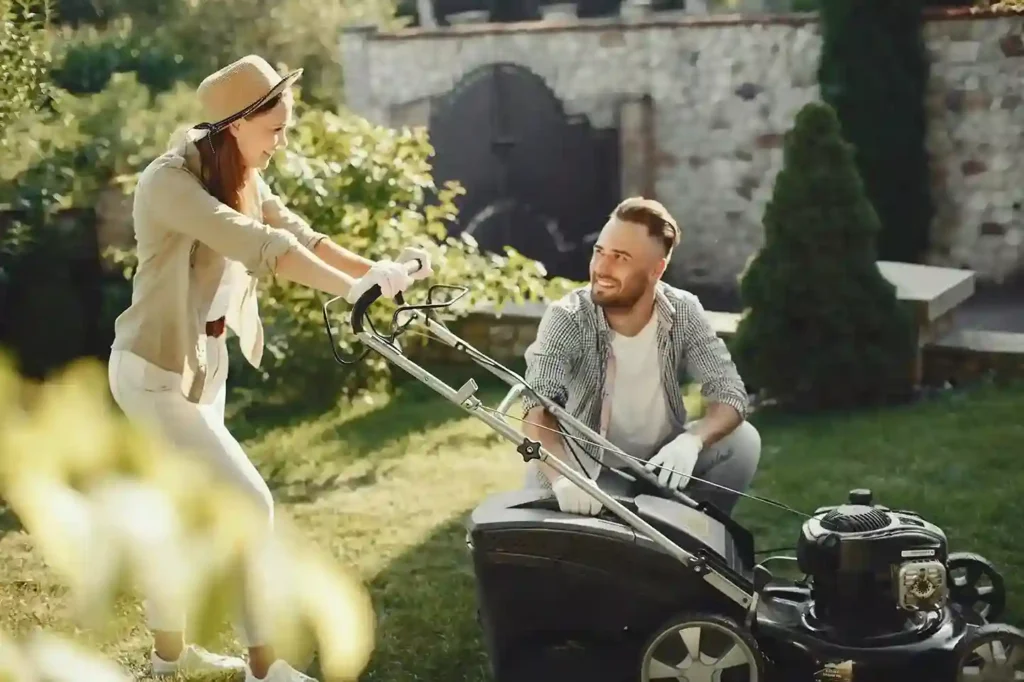

Many homeowners look at their garden and feel frustrated. Plants grow unevenly. Empty areas make the space look dull. The garden may feel messy or unfinished.
- Observe sunlight and soil conditions in your garden.
- Plan how the space will be used (relaxation, dining, plants).
- Divide the garden into clear zones.
- Improve soil using compost or organic matter.
- Choose plants that match your climate and sunlight.
- Add paths, seating, and decorative features.
- Install lighting for safety and evening atmosphere.
- Maintain the garden with regular watering and pruning.
Many people search for ways to upgrade their garden but get overwhelmed by too many ideas online. The truth is that a beautiful garden usually comes from simple changes done in the right order.
A good garden upgrade focuses on planning, healthy soil, smart plant choices, and useful outdoor features. This guide explains practical steps that help beginners transform their garden into a relaxing and attractive space.
Start With a Garden Plan
Every successful garden starts with a clear plan.
Many people buy plants before thinking about layout. This often leads to overcrowded beds and poor plant growth.
Start by asking yourself a few questions.
- How will the garden be used?
- Do you want a quiet relaxation space?
- Do you want a place for outdoor meals?
- Do you want flowers, vegetables, or both?
Sketch a simple layout on paper. Mark possible locations for plants, seating areas, and walkways.
Planning prevents costly mistakes and saves time later.
Check Sunlight and Soil Conditions
Plants need the right amount of sunlight.
Observe your garden during the day and identify which areas receive sunlight.
| Sunlight Type | Sunlight Duration |
|---|---|
| Full sun | 6–8 hours |
| Partial sun | 3–6 hours |
| Shade | Less than 3 hours |
Soil quality also affects plant growth.
Most plants grow well when soil pH stays between 6.0 and 7.0, though some plants prefer slightly different levels.
If soil feels hard or dry, mix in compost or organic matter.

Assess Your Current Garden
Before upgrading your garden, study the current condition of the space.
Look for:
- weak or dying plants
- crowded flower beds
- empty patches of soil
- unhealthy grass areas
Taking photos of the garden can help you see problems more clearly.
Photos also help track improvements later.
Testing Your Soil
Soil testing shows what nutrients plants need.
A basic soil test measures:
- soil pH
- nitrogen levels
- organic matter content
Many home test kits are inexpensive and easy to use.
If soil lacks nutrients, add compost, manure, or organic fertilizer.
Evaluate Your Existing Garden
Walk slowly through the garden and observe the layout.
Ask yourself simple questions.
- Does the space feel balanced?
- Are plants blocking paths?
- Are some areas empty while others are crowded?
Removing unhealthy plants often improves the appearance of a garden quickly.
Define the Purpose of Your Garden
A garden should match your lifestyle.
Some people want a peaceful place to relax. Others want a lively space for friends and family.
Common garden purposes include:
- relaxation space
- outdoor dining area
- flower garden
- vegetable garden
- play space for children
When you decide the main purpose, designing the garden becomes easier.
Divide the Garden Into Zones
Dividing the garden into zones helps organize the space.
Each zone has a clear purpose.
Example layout:
| Zone | Purpose |
|---|---|
| Seating zone | Relaxing and social time |
| Plant zone | Flowers or vegetables |
| Pathway zone | Walking space |
| Feature zone | Fountain or decorative element |
Zones create structure and help the garden feel larger.

Design With Structure and Balance
Balanced design makes a garden look organized.
A useful technique is plant repetition.
This means repeating the same plant or color in several areas.
Example:
- lavender plants along pathways
- white flowers repeated in different beds
- matching plant pots near seating areas
Repeating elements helps the garden feel calm and well designed.
Improve Garden Soil
Healthy soil leads to healthy plants.
Soil improves when organic material is added.
Examples include:
- compost
- leaf mulch
- aged manure
- organic fertilizer
Compost improves soil structure and helps soil hold moisture.
Spread compost around plants once or twice each year.
Choose the Right Plants
Choosing plants that match the environment prevents many gardening problems.
Good plant choices depend on:
- climate
- sunlight
- soil conditions
Native plants often grow better because they adapt to local weather.
Selecting Low Maintenance Plants
Low maintenance plants are perfect for beginners.
Examples include:
| Plant | Benefit |
|---|---|
| Lavender | Drought tolerant |
| Hostas | Grow well in shade |
| Daylilies | Very hardy |
| Sedum | Needs little watering |
These plants survive with minimal care.
Best Plants for Vertical Gardens
Vertical gardening allows plants to grow upward.
This saves space and adds visual interest.
Common vertical plants include:
- climbing roses
- ivy
- clematis
- peas and beans

Use Vertical Gardening Ideas
Vertical gardening works well in small spaces.
Examples include:
- wall planters
- hanging baskets
- trellis frames
- ladder plant stands
Vertical elements add height and depth to the garden.
Add Pathways and Borders
Paths guide visitors through the garden and protect plants from foot traffic.
Common path materials include:
- gravel
- stone
- brick
- wooden stepping stones
Paths also make gardens easier to maintain.
Using Garden Edging
Garden edging separates lawns from flower beds.
Popular edging materials include:
- metal strips
- brick borders
- plastic edging
- natural stone
Edging creates clean lines and improves garden appearance.
Add Comfortable Seating Areas
A garden becomes more enjoyable when people can sit and relax.
Popular seating options include:
- wooden benches
- outdoor sofas
- bistro tables
- hammocks
Choose areas with shade and good views.
Upgrade Outdoor Seating
Small upgrades can improve seating comfort.
Consider adding:
- weather-resistant cushions
- outdoor rugs
- small tables
- shade umbrellas
These additions make the space feel welcoming.
| Upgrade Type | DIY Cost | Impact Level |
|---|---|---|
| Solar garden lighting | $20–$100 | High visual impact |
| Raised garden beds | $50–$200 | Improves plant health |
| Small water fountain | $40–$150 | Strong focal point |
| Outdoor seating set | $100–$500 | Improves usability |
Install Outdoor Lighting
Lighting improves safety and atmosphere.
Types of Garden Lighting
| Lighting Type | Purpose |
|---|---|
| Path lights | Illuminate walkways |
| Spotlights | Highlight trees or plants |
| String lights | Create atmosphere |
| Solar lights | Energy efficient lighting |
Solar lights are easy to install and require little maintenance.
Add Layered Garden Lighting
Layered lighting combines different light sources.
Example setup:
- path lights
- tree lights
- string lights
- accent lights
This combination creates depth and warmth at night.
Introduce Lighting and Water Features
Water features add relaxing sound and movement.
Simple options include:
- birdbaths
- small fountains
- decorative water bowls
Choosing the Right Fountain
Small gardens work well with:
- tabletop fountains
- wall fountains
Large gardens may include ponds or waterfalls.

Create a Focal Point
Every garden benefits from a focal point.
Examples include:
- large flowering plants
- garden sculptures
- fountains
- decorative arches
Place the focal point where visitors naturally look first.
how to decorate my home homemendous
Many homeowners who upgrade their gardens also want their indoor space to feel just as welcoming. Learning how to decorate my home homemendous style means focusing on comfort, balance, and simple design choices.
Start with small improvements that match the garden atmosphere:
- use natural materials like wood or stone
- add indoor plants that reflect your outdoor garden
- choose soft lighting and neutral colors
- keep furniture layouts open and comfortable
When indoor decor connects with outdoor design, the entire home feels more peaceful and inviting.
Add Decorative Garden Elements
Decorative items give the garden personality.
Popular options include:
- birdhouses
- decorative pots
- statues
- wind chimes
Avoid using too many decorations. Too many objects can make the garden look crowded.
Add Decorative Features
Some decorative items also serve practical purposes.
Examples include:
- trellises
- raised garden beds
- pergolas
- wooden arches
These structures add both beauty and function.
- Planting without checking sunlight conditions.
- Choosing too many plant varieties in a small space.
- Ignoring soil health before planting.
- Adding too many decorations that make the garden feel crowded.
- Placing seating areas in direct sunlight with no shade.
Maintain Your Upgraded Garden
Even the best garden requires regular care.
Basic tasks include:
- watering plants
- removing weeds
- pruning branches
- adding mulch
Consistent maintenance keeps plants healthy.
Simple Garden Maintenance Tips
Helpful habits include:
- water plants early morning
- remove dead leaves quickly
- trim plants regularly
- check soil moisture often
Plan Seasonal Planting
Seasonal plants keep gardens colorful throughout the year.
| Season | Plants |
|---|---|
| Spring | Tulips, daffodils |
| Summer | Roses, lavender |
| Fall | Chrysanthemums |
| Winter | Evergreen shrubs |
Seasonal planting keeps the garden lively.
Frequently Asked Questions
Conclusion
Upgrading a garden becomes much easier when you follow a clear plan. Healthy soil, thoughtful plant choices, and balanced design create strong results. Over years of garden improvement work, one lesson stays true: simple changes done consistently produce the best gardens. When you focus on soil health, structure, and regular care, your garden can become a peaceful outdoor space that you enjoy every day.