
Many homeowners feel confused at the start of a renovation. You may have ideas, but turning them into a clear plan is hard. Costs, layout, materials, and timing can quickly feel overwhelming.
A good home renovation is not about doing everything at once. It is about making smart decisions step by step. This guide explains how to plan, design, and complete your renovation in a simple and practical way.
Plan Your Home Renovation
Planning is the base of a successful renovation. It helps you avoid mistakes and control your budget.
“Where do I even start with a home renovation?” Start by listing your goals. Decide what needs fixing, improving, or updating.
Measure Your Space
Take accurate measurements of all areas.
- Room size
- Wall height
- Doors and windows
This step prevents buying items that do not fit.
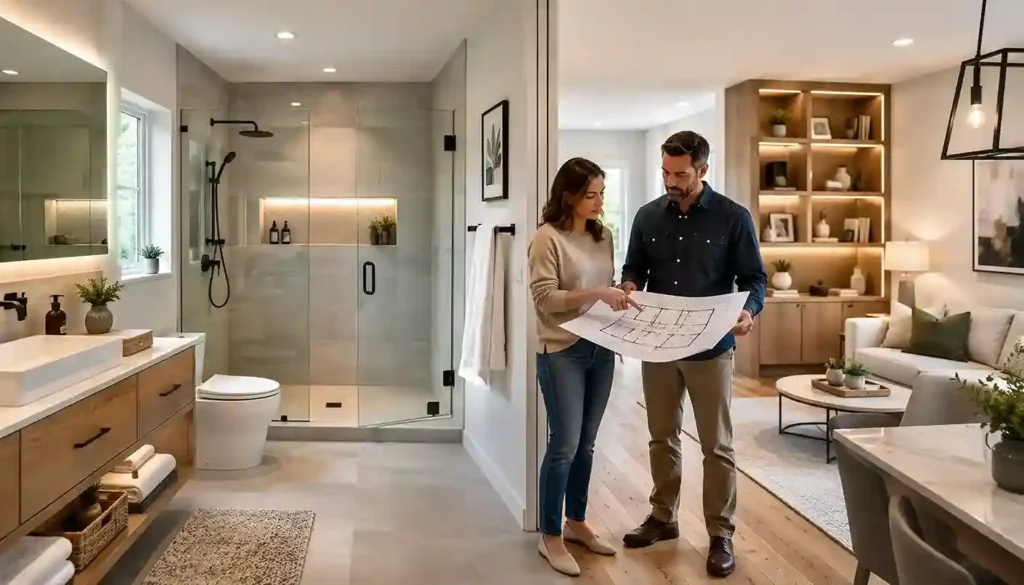
Create a Floor Plan
Draw a simple layout for each space.
Include:
- Furniture placement
- Walking paths
- Main focal points
“Do I need a professional floor plan?” No. A simple sketch works fine at the start.
Choose a Home Design Style
Your design style should feel consistent across your home.
Modern vs Traditional Styles
| Style | Features |
|---|---|
| Modern | Clean lines, simple colors, minimal look |
| Traditional | Warm tones, detailed design, classic feel |
“Can each room have a different style?” Yes, but keep some common elements like colors or materials.
Home Renovation Design Ideas
Look at ideas before making decisions.
Modern Home Ideas
- Open spaces
- Neutral colors
- Simple furniture
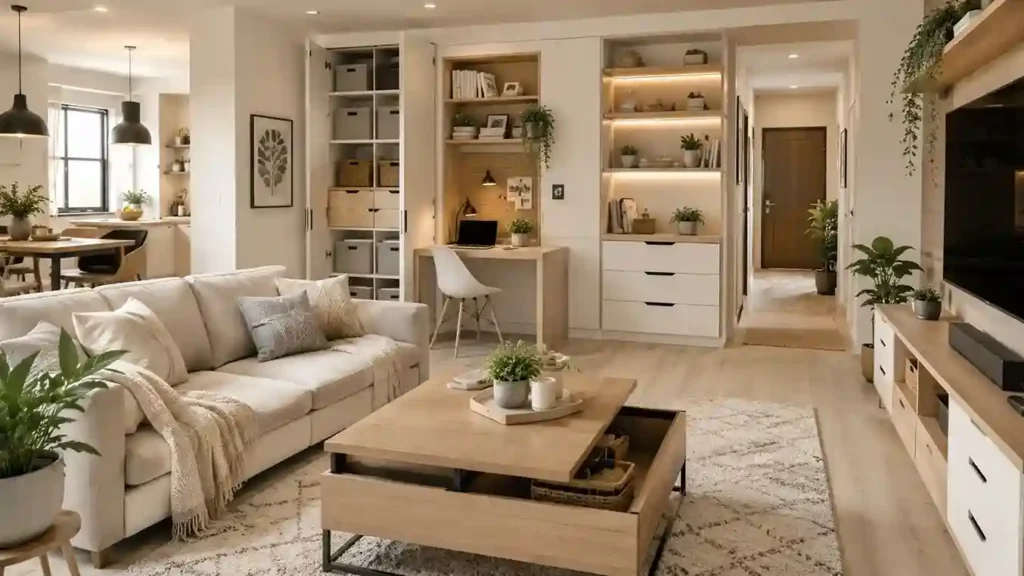
Small Space Renovation Ideas
- Multi-use furniture
- Light colors
- Smart storage
“How do I make my home look bigger?” Use light colors, mirrors, and reduce clutter.
Luxury Home Design Ideas
- High-quality materials
- Statement lighting
- Clean layout
Minimalist Home Ideas
- Less furniture
- Open areas
- Functional design
Color Schemes for Home Renovation
Colors should flow smoothly across the home.
Neutral Color Palette Ideas
- White, beige, grey
- Soft natural tones
Accent Wall Ideas
- One bold wall per room
- Use texture or panels
“Should every room have an accent wall?” No. Too many bold walls can make the home feel crowded.
Layout and Space Planning
A good layout improves comfort and movement.
Furniture Placement Tips
- Keep walking space clear
- Avoid overcrowding
Open Space Planning
- Combine areas like living and dining
- Use rugs or lighting to separate zones
“Why does my home still feel small after renovation?” Because layout matters more than size. Poor placement can reduce usable space.
Select Materials and Finishes
Materials affect both look and durability.
Choosing the Right Materials
- Wood for warmth
- Metal for a modern feel
- Fabric for comfort
“What materials last longer?” Solid wood, good tiles, and durable fabrics last longer than cheap options.
Lighting Plan for Your Home
Lighting should be planned for each room.
Layered Lighting Basics
- Ambient lighting (main light)
- Task lighting (focused light)
- Accent lighting (decorative light)
“Why does my home feel dark even with lights?” Because you may be using only one type of lighting.
Set a Renovation Budget
Budget planning helps you avoid overspending.
Budget Breakdown
| Category | Example |
|---|---|
| Materials | Tiles, wood |
| Furniture | Sofa, bed |
| Labor | Workers |
| Lighting | Fixtures |
Keep an extra 10–15% for unexpected costs.
Tiles, wood, paint, fixtures.
Workers, contractor fees.
Sofa, beds, storage units.
Unexpected costs and fixes.
How Much Does Home Renovation Cost
Costs vary based on size and choices.
Average Cost Breakdown
- Basic: $5,000–$20,000
- Mid-range: $20,000–$50,000
- High-end: $50,000+
Labor vs Material Costs
Balance both for better results.
“Is it better to renovate room by room?” Yes for budget control, but full renovation saves time.
Factors That Affect Renovation Cost
- Home size
- Material quality
- Design complexity
- Labor charges
Hiring a Contractor or DIY
Pros and Cons of DIY
Pros
- Saves money
Cons
- Takes time
- Risk of mistakes
“How do I choose a good contractor?” Check past work, reviews, and clear pricing before hiring.
Lower cost but needs time and skills.
Faster and safer but more expensive.
Painting, decor, small fixes.
Electrical, structural, major work.
Renovation Timeline
Project Timeline Steps
- Planning
- Design
- Material selection
- Work execution
- Final setup
“How long does a full home renovation take?” Usually 4–12 weeks depending on the size and work.
How to Design a Home Renovation Step by Step
Set goals, measure space, define needs.
Choose layout, style, and color scheme.
Estimate costs and set limits.
Start construction and installations.
Add furniture, lighting, and finishing touches.
FAQ
Conclusion
A successful home renovation comes from clear planning and smart choices. You do not need expensive materials to get good results. In real projects, the biggest improvements come from better layout, proper lighting, and simple design decisions. Focus on these basics, and your home will feel more comfortable and well-designed.