
Home improvement often looks simple from the outside. Then real decisions appear. Should you update one room or the entire house? Is smart technology worth adding? Which upgrades create lasting value?
Many people searching for mcnamara thehometrotters appear to be looking for practical direction instead of endless inspiration. They want ideas they can actually apply. This guide focuses on planning, renovation choices, and practical upgrades that support daily living.
Who Is McNamara
Search interest around this topic usually combines home inspiration with practical improvement ideas.
Instead of treating McNamara TheHomeTrotters as a formal renovation method, it is more useful to view it as a collection of themes often connected to modern home updates, comfort, and better use of space.
That distinction matters because every home has different needs.
Understanding TheHomeTrotters
The main idea behind this style of thinking is simple: improve how the home works before changing how it looks.
Many homeowners begin with visual inspiration. Better results often come from identifying friction points first.
Examples include:
- Rooms that feel crowded
- Poor lighting
- Limited storage
- Areas that no longer match daily routines
When these problems become clear, renovation choices become easier.
Quick Summary
| Priority | Example Outcome |
|---|---|
| Better flow | Easier movement |
| Better storage | Less clutter |
| Better comfort | Improved daily use |
| Better efficiency | Lower waste |
Introduction to TheHomeTrotters
Large renovation plans can create unnecessary pressure.
A more practical approach breaks the process into decisions instead of projects.
Start by reviewing:
- What causes frustration each day
- Which room gets the most use
- Which changes improve daily routines
- Which upgrades can wait
This process creates direction before spending begins.
Core Principles
Good renovation decisions usually stay useful long after trends change.
Functional Design
Every room should support its purpose.
Examples:
Kitchen:
- Easier movement
- More preparation space
Bedroom:
- Better storage
- Improved lighting
Workspace:
- Reduced distraction
- Comfortable setup
A room that works well often feels better without expensive decoration.
Long-Term Value
Some upgrades continue helping long after installation.
Examples:
- Durable flooring
- Flexible layouts
- Easy maintenance materials
- Energy-conscious improvements
Think about replacement cycles before making decisions.
Why Smart Home Solutions Matter
Smart upgrades should simplify routines.
Many homeowners expect automation to solve every problem. In practice, useful systems remove small daily frustrations.
Examples:
- Automatic temperature changes
- Scheduled lighting
- Simple monitoring tools
Technology works best when it supports habits already in place.
Convenience and Automation
Convenience grows through consistency.
Useful examples:
- Automatic lighting schedules
- Remote access during travel
- Routine-based settings
Complicated systems often become unused.
Energy Efficiency
Efficiency starts with reducing waste.
Areas that commonly affect household performance:
- Lighting
- Air movement
- Heat control
- Appliance use
Small improvements can create noticeable changes over time.
Security Enhancements
Security planning should balance awareness and simplicity.
Helpful upgrades may include:
- Better visibility
- Controlled access
- Activity notifications
Complex setups can increase maintenance effort.
Home Renovation Trends
Recent renovation choices often move away from purely decorative updates.
Popular directions include:
- Flexible room use
- Simpler layouts
- Lower maintenance finishes
- More natural materials
Trends should support daily living instead of replacing it.
Sustainable Home Improvement
Sustainable choices often begin with longer product life.
Useful areas to review:
- Materials that last longer
- Lower maintenance finishes
- Efficient systems
- Reduced replacement frequency
Eco-Friendly Updates
Small changes may create measurable improvements.
Examples:
- Updating old fixtures
- Improving insulation quality
- Reducing unnecessary energy use
Choose upgrades that fit actual household behavior.
Interior Design Inspiration
Good design helps people use space more effectively.
Appearance matters, but usability often creates better long-term satisfaction.
Review spaces through these questions:
- Does this room support daily routines?
- Is maintenance manageable?
- Does the layout feel natural?
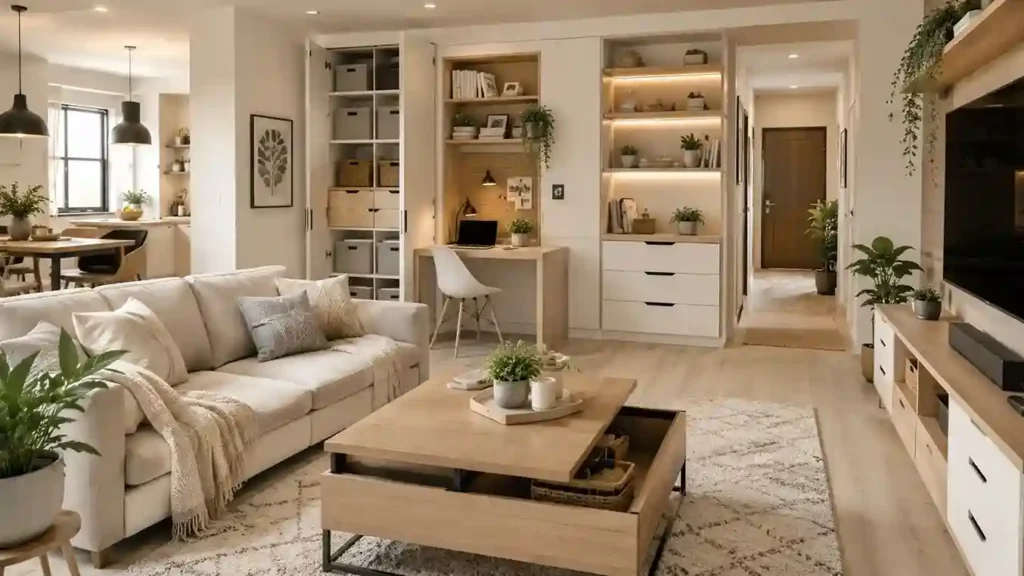
Space Optimization
Unused space often exists in overlooked areas.
Examples:
- Wall storage
- Under-seat storage
- Multi-use corners
- Flexible furniture placement
The goal is not adding more items. The goal is making space feel easier to use.
Home Improvement Ideas
Choose improvements by impact.
High impact:
- Lighting updates
- Storage changes
Medium impact:
- Surface updates
- Layout adjustments
Lower priority:
- Decorative replacements
This helps avoid spending without clear results.
Smart Home Integration
Connected features should follow a plan.
Introduce upgrades in stages.
A practical order:
- Connectivity
- Core devices
- Automation
- Maintenance review
Device Selection
Evaluate devices using:
- Compatibility
- Update support
- Ease of use
- Long-term maintenance
Products should stay useful after setup.
Installation Basics
Before installation:
- Confirm available power
- Review placement
- Test connections
- Plan future access
Early preparation reduces adjustment work later.
Planning Your Renovation
Planning gives structure to decisions.
Create categories:
- Immediate upgrades
- Future improvements
- Optional ideas
This prevents project expansion.
Planning and Preparation
Create a project page containing:
- Goals
- Timeline
- Estimated spending
- Required materials
Update it as decisions change.
Budget Management
Separate expenses into groups.
| Category | Purpose |
|---|---|
| Required | Essential work |
| Flexible | Adjustable items |
| Reserve | Unexpected needs |
Avoid using the full budget immediately.
Choosing Materials
Compare materials using practical factors.
Review:
- Wear resistance
- Cleaning effort
- Repair difficulty
- Availability
Appearance should be one factor, not the only factor.
Practical Renovation Advice
Progress often beats perfection.
Complete one improvement before starting another.
Helpful habits:
- Keep records
- Save measurements
- Track purchases
- Document decisions
Implementation Tips
Move through projects in order.
Typical flow:
- Planning
- Preparation
- Installation
- Adjustment
- Final review
Adjust the sequence if professional work is required.
How to Get Started
Start with observation.
Spend one week noting:
- Daily frustrations
- Storage issues
- Lighting concerns
- Maintenance problems
Patterns usually become clear.
Then choose one improvement to begin.
Cost Considerations
Cost decisions should connect to usefulness.
Three questions help:
- Will this be used often?
- Will maintenance stay reasonable?
- Will replacement be difficult?
Budget Planning
Good spending focuses on repeated use.
Examples:
- Lighting
- Storage
- Comfort improvements
Delay upgrades that have no clear purpose.
Common Remodeling Mistakes
Avoid these common patterns:
- Starting too quickly
- Ignoring maintenance
- Copying other homes directly
- Mixing too many ideas
Better decisions usually happen with slower planning.
Future of Smart Home Living
Future home improvements are becoming more focused on simplicity.
Useful systems are often:
- Easy to maintain
- Flexible
- Practical
- Adaptable
Technology should stay in the background and support daily life.
Frequently Asked Questions
Conclusion
Interest in mcnamara thehometrotters reflects a broader homeowner goal: making homes easier to live in through practical improvements. Strong renovation outcomes rarely depend on one trend, device, or large project. They usually come from clear priorities, thoughtful planning, and upgrades that continue adding value long after the work is finished.