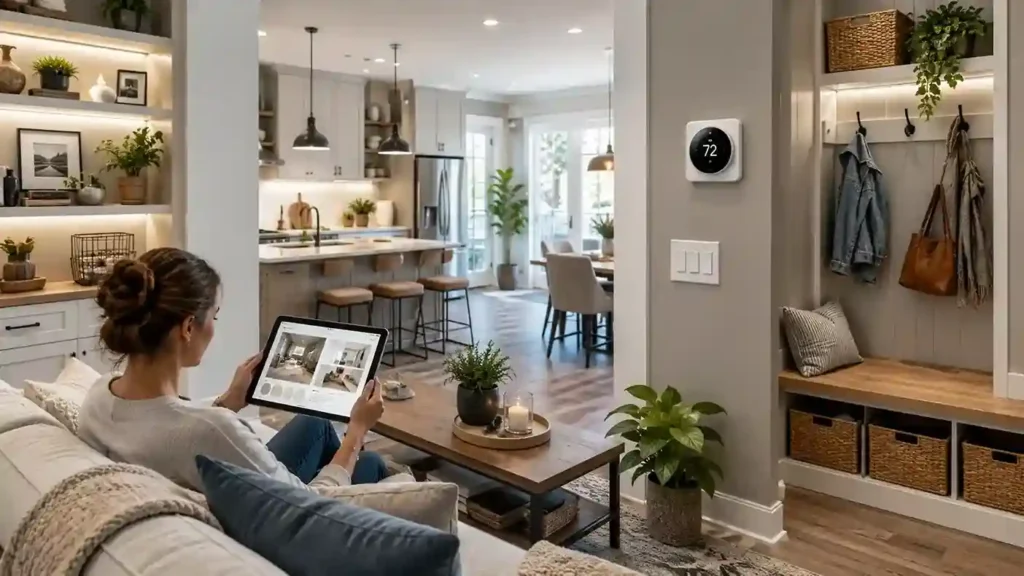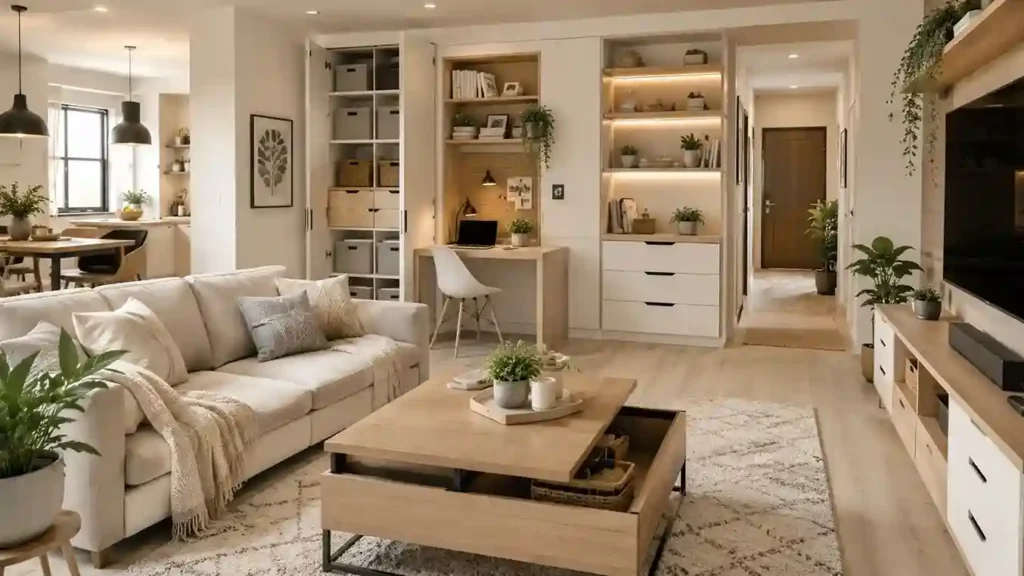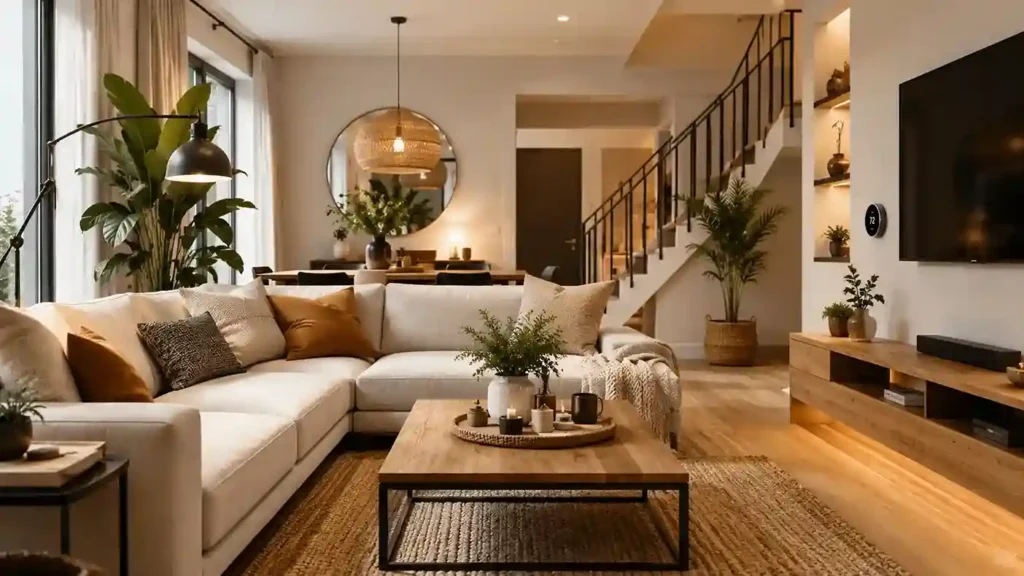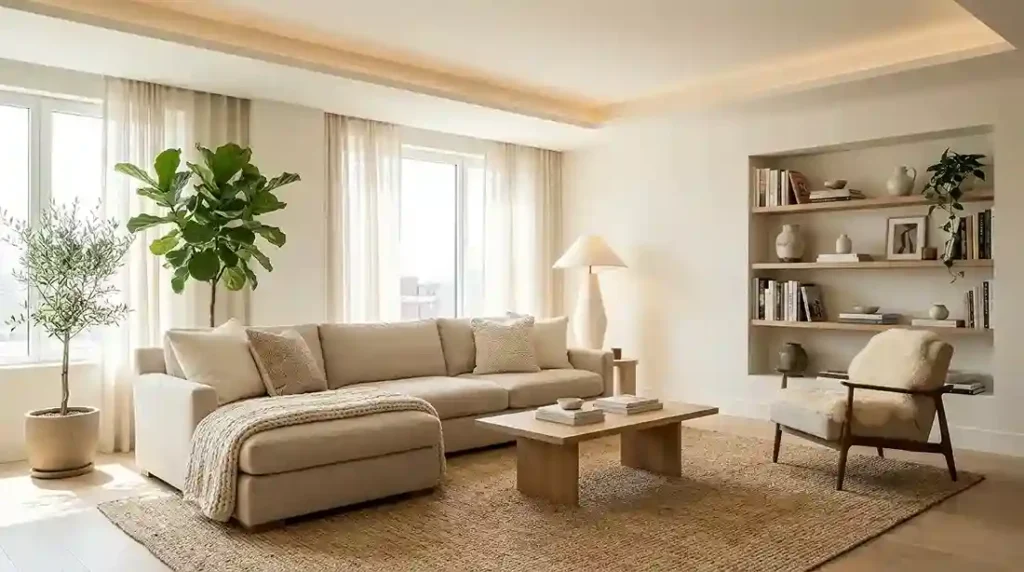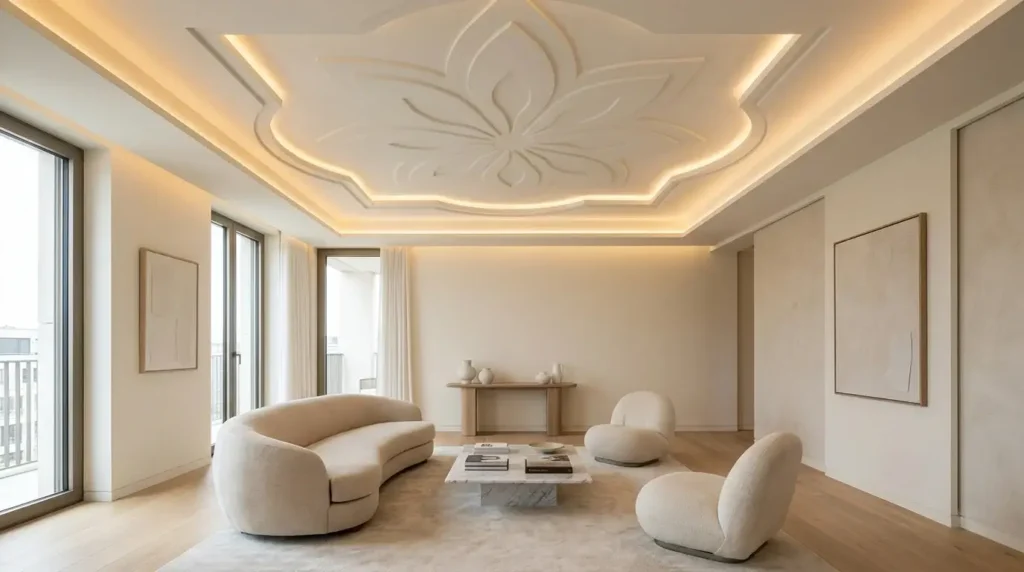

You have spent money on decor, rearranged the furniture more than once, and the room still does not feel right. That frustration is common across US homeowners — and it rarely comes down to budget or taste. The real problem is almost always a missing plan. Without a clear direction, even beautiful pieces end up working against each other.
These interior decoration tips from Mintpaldecor are built for real homes, real budgets, and rooms that need to function as well as they look. Whether you want to refresh a tired bathroom, update your kitchen without a full remodel, or finally make your bedroom feel like somewhere you actually want to be — this guide gives you a step-by-step path to get there, no design degree required.
Why Interior Design Plays a Key Role in Everyday Life
Interior design goes beyond appearance. Environmental psychology research shows physical surroundings affect mood, focus, and stress. A cluttered, poorly lit room contributes to elevated cortisol — the body’s stress hormone. A well-organized space with appropriate lighting and a calming color palette works in the other direction. Good decoration reduces daily friction and makes a home easier to live in.
How to Get Better at Interior Design Without Being a Professional
Start with observation, not shopping. Watch how you actually use each room. Where do bags get dropped the moment you walk in? Where does morning light hit the floor? Those patterns tell you where storage is missing, where lighting needs work, and which furniture placement fights your habits. Solve function first. The decorative layer belongs on top of a working foundation — not the other way around.
Set the Foundation with a Strong Design Plan
Skipping the planning stage is the most common and most expensive decorating mistake. Before buying a single item, answer three questions for the room you want to change:
- What is the primary function of this room? (sleeping, cooking, relaxing, working from home)
- What mood do you want it to create? (calm, energetic, warm, open and airy)
- What is your realistic budget — and which single change would make the biggest visible difference?
Once you have those answers, also build a quick mood board — save 10 to 15 room photos from Pinterest or Houzz that you genuinely like, identify three colors from them (one dominant at 60%, one secondary at 30%, one accent at 10%), then test paint swatches in your actual room before buying anything. One wrong sofa or tile choice can cost hundreds to undo.
Choosing Colors and Palettes Wisely
What is the 60-30-10 color rule? It means 60% of the room uses your dominant color (walls and large furniture), 30% uses a secondary color (curtains, sofa, rug), and 10% uses an accent color (throw pillows, a lamp, a vase). This ratio creates visual balance without making a room feel flat or overwhelming.
Sun-filled rooms handle warm neutrals — creamy white, soft beige, warm greige. Darker rooms do better with cooler lighter shades such as soft gray or off-white with subtle blue undertones. Popular accent colors for 2025-2026 include terracotta, sage green, warm dusty rose, and deep teal — grounded in classic color theory, not just seasonal trends.
Best Color Palettes for Bathrooms, Kitchens, and Bedrooms
Bathrooms: Light, cool tones make small bathrooms appear larger. Soft white, pale blue-gray, and light sage work well. For a moodier look, use a dark color on the single accent wall behind the vanity only — not all four walls.
Kitchens: Warm whites and soft creams prevent the sterile look. In a light-filled kitchen, soft terracotta or warm sage on lower cabinets with white uppers creates modern contrast without overwhelming the space.
Bedrooms: Use muted, low-saturation tones — dusty blue, warm taupe, soft lavender, or warm white. High-saturation colors increase alertness and energy, which is the opposite of what a bedroom needs.
Create Focal Points with Distinctive Decor
Every well-decorated room has one clear focal point — and only one. When two or three elements compete, a room feels busy even if every piece is attractive. Natural focal points already exist: in a living room it is the fireplace or TV wall, in a bedroom the headboard wall, in a kitchen the range and backsplash, in a bathroom the vanity and mirror. Work with these anchors, not against them. Give the focal point visual weight — a bold backsplash tile, a statement mirror, a dramatic headboard, or large wall art. Everything else supports it.
Statement Pieces That Work in Small Spaces
These focal point options work in tight spaces without structural changes:
- An oversized framed mirror — mirror size is consistently underestimated; going larger almost always improves the room
- A bold-patterned area rug that anchors the furniture arrangement
- One accent wall with limewash paint, a contrasting color, or peel-and-stick wallpaper
Furniture Placement and Essential Decoration Advice
Two furniture mistakes dominate American homes: pushing every piece against the walls and buying items too small for the room. Pulling a sofa 12 to 18 inches from the wall creates depth at zero cost. Keep at least 36 inches of walkway clear in high-traffic areas. Use this quick room-readiness checklist before adding any decor:
- Neutral base color chosen for your room’s actual light — not a paint chip under store lighting
- At least two light sources — one overhead alone is never enough
- One clear focal point identified before buying any decorative pieces
- Three textures present — one soft, one natural hard, one sleek hard
Lighting: The Most Underestimated Tool in Interior Decoration
If you change one thing in a room, change the lighting. It affects how a space feels more than paint, furniture, or accessories combined. Every room needs three layers: ambient (ceiling light), task (reading lamp, under-cabinet light, bathroom sconce), and accent (spotlight on art or a shelf). Most US homes rely on ambient alone — that is the core problem. Use bulbs rated 2700K to 3000K (warm white or soft white). Anything 4000K and above makes living areas feel harsh.
Room-by-Room Lighting Tips for Bathroom, Kitchen, and Bedroom
Bathroom: A single overhead fixture casts shadows directly onto your face. Add sconces at eye level on both sides of the mirror, or install a backlit mirror ($100 to $300) which eliminates shadows and doubles as a statement piece. Budget for sconce installation: $80 to $250.
Kitchen: Layer under-cabinet LED strips (task) with recessed ceiling lights (ambient) and one or two pendants over the island. Under-cabinet lighting alone transforms a kitchen — it illuminates the countertop, removes prep shadows, and makes the space look finished. Budget: $30 to $150.
Bedroom: Replace or supplement ceiling-only light with bedside lamps at headboard height. Add a dimmer switch to your ceiling fixture ($15 to $40) — it is arguably the highest return upgrade per dollar in any bedroom.
Home Improvement Ideas That Make a Real Difference
You do not need a full renovation. Some of the most impactful upgrades cost under $200 and take one weekend.
Bathroom Decoration Tips That Make It Look Bigger and More Expensive
Swap the builder mirror: Replace it with a framed mirror in brass, matte black, or natural wood. Cost: $50 to $150 — immediate character change.
Use large-format tiles if remodeling: A 12×24 inch tile has fewer grout lines than a 4×4 tile, making floors and walls look more open and expensive. Avoid small formats when replacing tile.
Add vertical storage: A slim storage tower next to the toilet uses vertical space most bathrooms waste. Cost: $50 to $150, no installation needed.
Kitchen Decoration Tips Without a Full Remodel
A full kitchen remodel in the USA costs $15,000 to over $80,000 (National Kitchen and Bath Association). Most homeowners need targeted fixes, not a full overhaul.
Swap cabinet hardware: Replace dated chrome or brass pulls with matte black, brushed brass, or brushed nickel. Cost: $1 to $8 per pull, totaling $50 to $200 for a full kitchen. Takes a screwdriver and an afternoon.
Paint the cabinets: White, soft gray, navy, sage green, and warm cream are the most popular US kitchen colors right now. Materials: $150 to $350. Professional labor: $1,000 to $3,500.
Add a peel-and-stick backsplash: Renter-friendly, reads convincingly at normal viewing distance. Cost: $50 to $200.
Latest Decoration Trends Shaping US Homes in 2025-2026
The trends worth following are rooted in classic design principles — they look current now and will not feel dated in three years.
Japandi: A blend of Japanese minimalism and Scandinavian warmth. Clean lines, natural wood, neutral tones, intentional negative space. One of the most searched design styles in the US right now.
Limewash walls: A DIY-friendly paint technique that creates a soft, textured, matte finish. Available at most US home improvement stores for $40 to $80 per gallon. Looks far more expensive than it costs.
Earth tones: Terracotta, warm brown, sage green, and dusty olive are replacing the cool grays that dominated US interiors for the past decade. Grounded, warm, and versatile across every room type.
Frequently Asked Questions
Why Mintpaldecor Is a Trusted Home Decoration Resource
Most interior design content tells you what to do but skips the why — and offers nothing when the advice does not work in your actual room. Every guide on Mintpaldecor is grounded in real design principles written against real-home constraints: small square footage, limited light, tight budgets, and rental restrictions. The focus is always specific: which mirror size for a small bathroom, which bulb temperature for a north-facing bedroom, which cabinet color on a limited budget.
Final Thoughts: Start Small, Stay Intentional
You do not need a complete home makeover — you need a starting point and a clear sequence to follow. Pick the room that frustrates you most, answer the three planning questions, build a quick mood board, and fix the lighting first because it will change how the room feels before anything else does. Then layer in color, texture, and accessories in that order. The best-decorated homes do not look expensive — they look intentional. Every piece has a reason to be there, the lighting works at every time of day, the colors hold together, and there is room to move, breathe, and rest. That outcome is entirely achievable on any budget, with the right plan behind it — and Mintpaldecor’s room-specific guides on bathrooms, kitchens, and bedrooms are there to give you a clear next step whenever you are ready.