
Many people spend thousands of dollars renovating their homes but still feel unhappy after the work is finished. The furniture may look stylish, and the walls may have fresh paint, yet the room still feels uncomfortable or awkward. This usually happens because good interior design is not only about appearance.
The most important thing in interior design is creating a space that feels functional, comfortable, and visually balanced. A room should support daily life, improve movement, and create a calm atmosphere. Every design decision should help the space work better for the people living in it.
Space
Space is the starting point of every interior design project. It affects comfort, movement, storage, and room flow.
Interior designers usually think about two kinds of space:
- Positive space
- Negative space
Positive Space
Positive space includes all visible objects inside a room.
Examples include:
- Sofas
- Beds
- Cabinets
- Dining tables
Too much furniture can make a room feel stressful and crowded. Large furniture inside small spaces often creates movement problems.
A good layout leaves enough room for people to walk comfortably without bumping into objects.
Negative Space
Negative space is the empty area around furniture and decor.
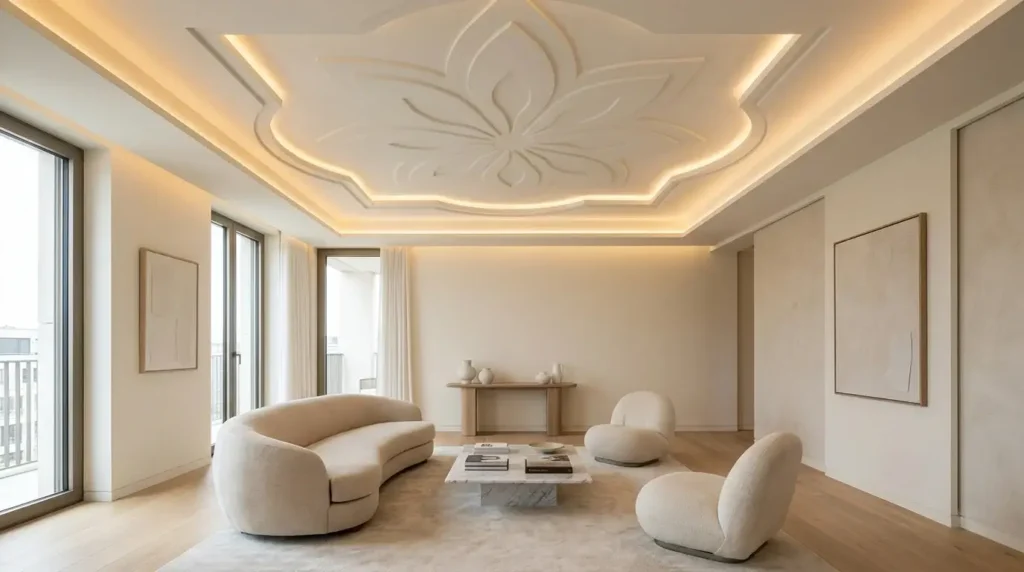
This empty area is important because it prevents visual overload. Rooms with balanced empty space often feel cleaner, larger, and more relaxing.
Negative space becomes especially important in:
- Apartments
- Small bedrooms
- Narrow living rooms
- Open-concept homes
Simple Space Planning Tips
| Room Type | Helpful Design Choice |
|---|---|
| Small room | Use compact furniture |
| Open layout | Keep clear walkways |
| Large room | Divide areas with rugs or lighting |
Line
Lines shape the visual direction of a room. They influence how people emotionally react to a space.
Interior designers use horizontal, vertical, and dynamic lines to guide the eye naturally.
Horizontal Lines
Horizontal lines create a stable and peaceful feeling.
You can find them in:
- Long shelves
- Sofas
- Dining tables
These lines can also make rooms appear wider.
Living rooms often use horizontal elements to create a more relaxed atmosphere.
Vertical Lines
Vertical lines create the feeling of height and structure.
Examples include:
- Tall curtains
- Floor lamps
- Cabinets
- Wall panels
Vertical lines can help low ceilings appear taller.
However, too many strong vertical shapes may make a room feel stiff.
Dynamic Lines
Dynamic lines create movement and energy.
Examples include:
- Curved furniture
- Stair railings
- Arched doors
- Angled lighting
These shapes make spaces feel more active and less flat.
Form
Form refers to the shape of furniture and decor inside a room.
A balanced interior usually combines straight shapes with softer curves.
Geometric Forms
Geometric forms include:
- Squares
- Rectangles
- Circles
Modern homes often use these shapes because they create order and structure.
Examples:
- Rectangular sofas
- Square coffee tables
- Round mirrors
Natural Forms
Natural forms feel softer and more relaxed.
Examples include:
- Plants
- Curved chairs
- Handmade decor
- Natural wood edges
These forms help homes feel warmer and more welcoming.
Rooms with only sharp geometric forms can sometimes feel cold or overly formal.
Light
Lighting changes how every room looks and feels. Even expensive renovations can appear dull under poor lighting conditions.
Good lighting supports:
- Comfort
- Visibility
- Mood
- Daily activities
Natural Light
Natural light makes rooms feel brighter and more open.
Homes with good daylight often feel:
- More inviting
- Larger
- More comfortable
Simple ways to improve natural light include:
- Using lighter paint colors
- Adding mirrors
- Choosing thinner curtains
- Keeping windows less blocked
Artificial Light
Artificial lighting helps rooms stay functional after sunset.
Most interior designers combine several lighting types:
- Ambient lighting
- Task lighting
- Accent lighting
For example:
- Ceiling lights brighten the room
- Reading lamps improve focus
- Accent lights highlight artwork or textures
Using only one overhead light can make a room feel flat and harsh.
Color
Color affects the emotional feeling of a room.
Different color groups create different moods.
| Color Style | Common Effect |
|---|---|
| Warm tones | Cozy and energetic |
| Cool tones | Calm and peaceful |
| Neutral tones | Clean and timeless |
Many designers prefer balanced color palettes instead of using too many bold shades together.
A simple method includes:
- One primary color
- One supporting color
- One accent color
This keeps rooms visually organized.
Lighter shades usually work well in smaller spaces because they reflect more light.
Texture
Texture helps rooms feel layered and comfortable.
Without texture, interiors may feel flat or unfinished.
Texture appears in materials like:
- Wood
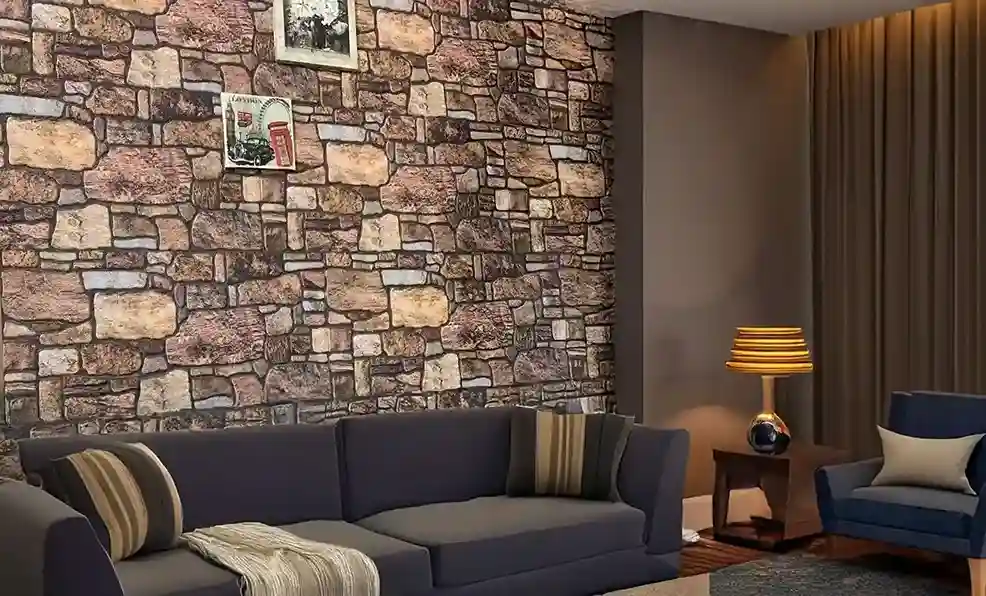
- Stone
- Fabric
- Leather
- Glass
Combining different textures creates visual depth.
For example:
- A soft rug
- A wooden table
- Linen curtains
- Metal lighting fixtures
Too many smooth surfaces in one room can make the space feel cold.
Pattern
Patterns bring personality into interior spaces.
Popular patterns include:
- Floral designs
- Stripes
- Geometric prints
Patterns should support the room instead of dominating it.
Large patterns in small rooms may feel overwhelming if overused.
Many designers balance patterns with:
- Neutral walls
- Solid furniture colors
- Open visual areas
This helps maintain a cleaner appearance.
Furniture
Furniture should improve both comfort and usability.
A beautiful sofa that blocks movement or feels uncomfortable is not a good design choice.
Furniture placement affects:
- Walking space
- Conversation flow
- Storage access
- Room balance
Before buying furniture:
- Measure the room carefully
- Check door and hallway sizes
- Think about daily habits
Many renovation problems happen because furniture is purchased before proper planning.
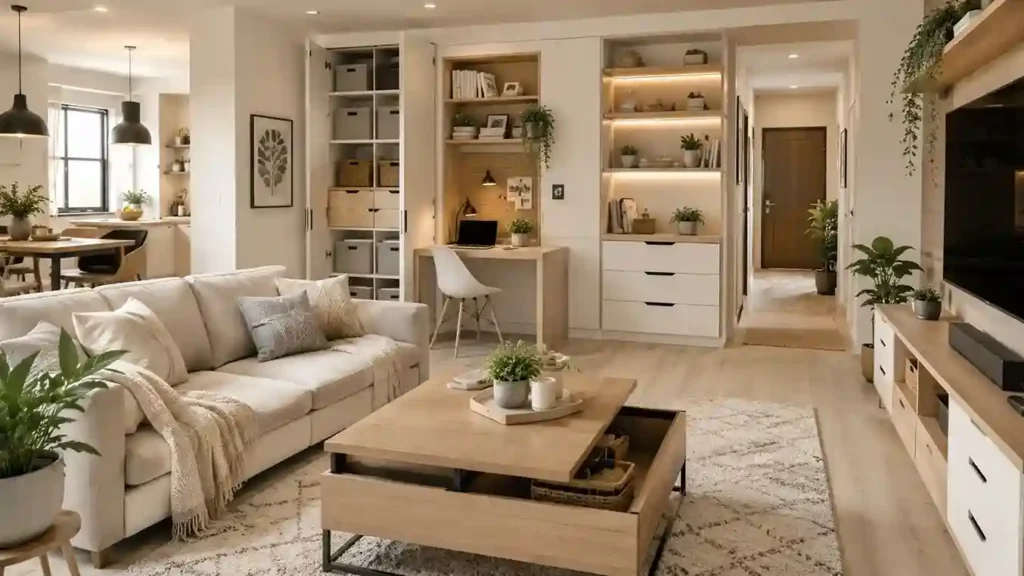
Smaller rooms often work better with lighter furniture designs and multi-purpose pieces.
Measure the room and identify movement paths.
Choose furniture sizes that fit the space properly.
Plan lighting before selecting decorations and colors.
Add textures and decor carefully to avoid clutter.
Objects
Decorative objects give homes character and personality.
Examples include:
- Artwork
- Plants
- Books
- Ceramics
- Personal collections
These details help homes feel personal instead of generic.
However, too many decorative items can make spaces feel cluttered and visually heavy.
Plants are especially helpful because they:
- Add natural color
- Soften sharp edges
- Improve room freshness
The goal is balance, not decoration overload.
Balance
Balance helps all design elements work together smoothly.
A balanced room usually feels:
- Comfortable
- Stable
- Organized
- Easy to use
Symmetrical Balance
Symmetrical balance places similar objects on both sides of a space.
Example:
- Matching chairs beside a fireplace
This style creates a clean and formal appearance.
Traditional interiors often use this layout style.
Asymmetrical Balance
Asymmetrical balance uses different objects with similar visual importance.
Example:
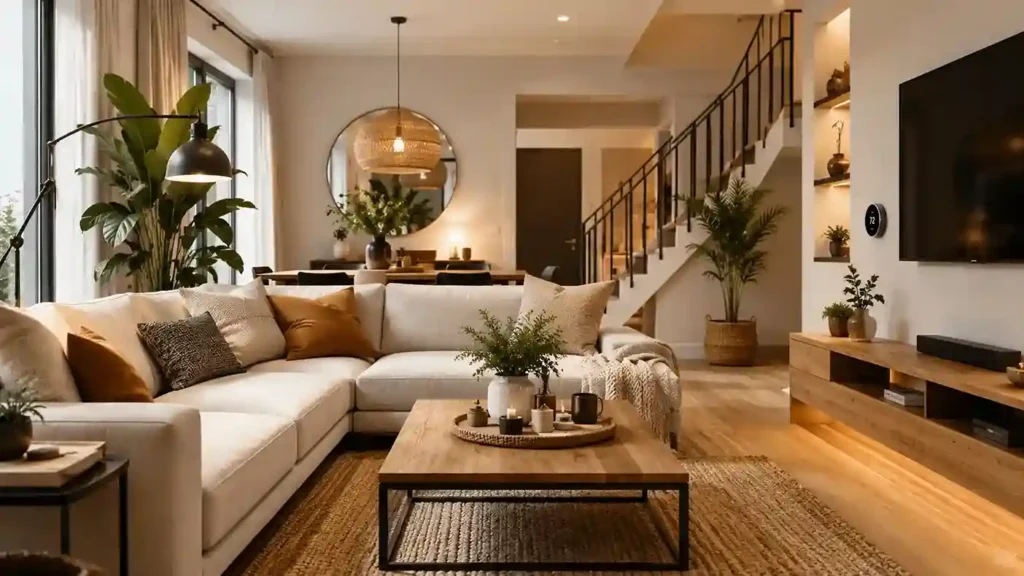
- A large sofa balanced by smaller chairs and lighting
This style often feels more relaxed and modern.
Many contemporary homes prefer asymmetrical balance because it looks more natural.
Radial Balance
Radial balance organizes objects around one center point.
Examples include:
- Circular dining tables
- Round rugs
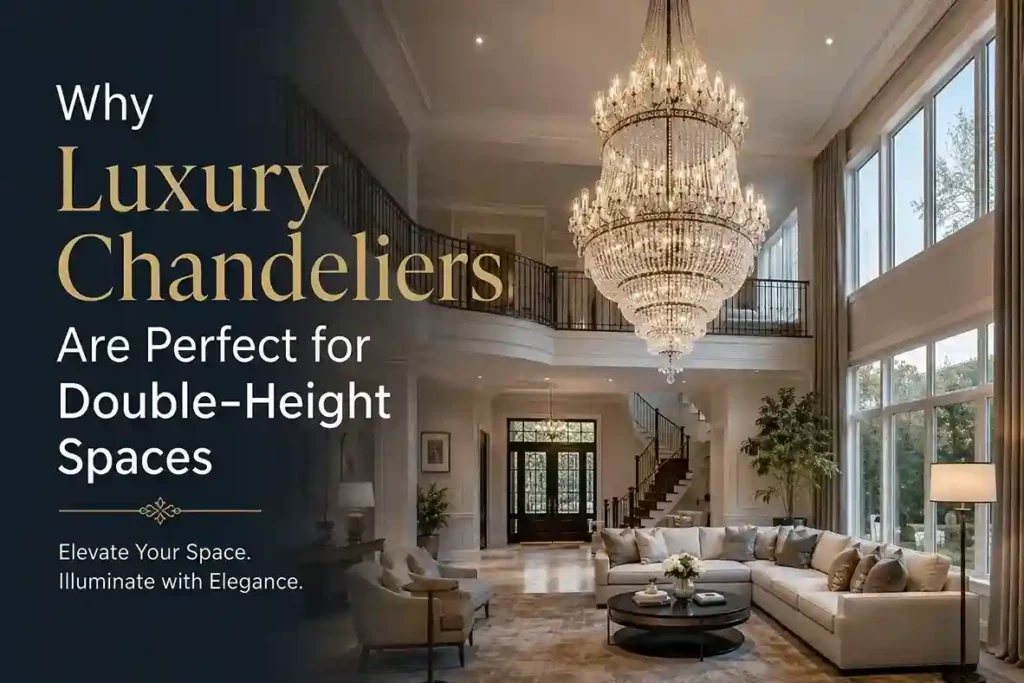
- Central chandeliers
This arrangement creates a strong focal point inside the room.
The empty area that helps rooms feel open and less crowded.
How heavy or dominant furniture appears inside a room.
The size of furniture compared to the room size.
The way objects work together to create visual comfort.
What Really Matters Most in interior design mintpalment?
Good interior design is not about filling a room with expensive furniture or following every design trend. The best spaces support daily life while also creating comfort and visual harmony.
Experienced designers usually focus on space planning, lighting, functionality, and balance before choosing decorations. This approach reduces costly mistakes and improves long-term satisfaction. A successful interior should feel practical, welcoming, and easy to live in every day.
Improves movement, openness, and comfort inside the room.
Changes mood, visibility, and how colors appear.
Affects emotional feeling and visual warmth.
Adds depth and prevents rooms from feeling flat.
Helps rooms feel stable, calm, and organized.