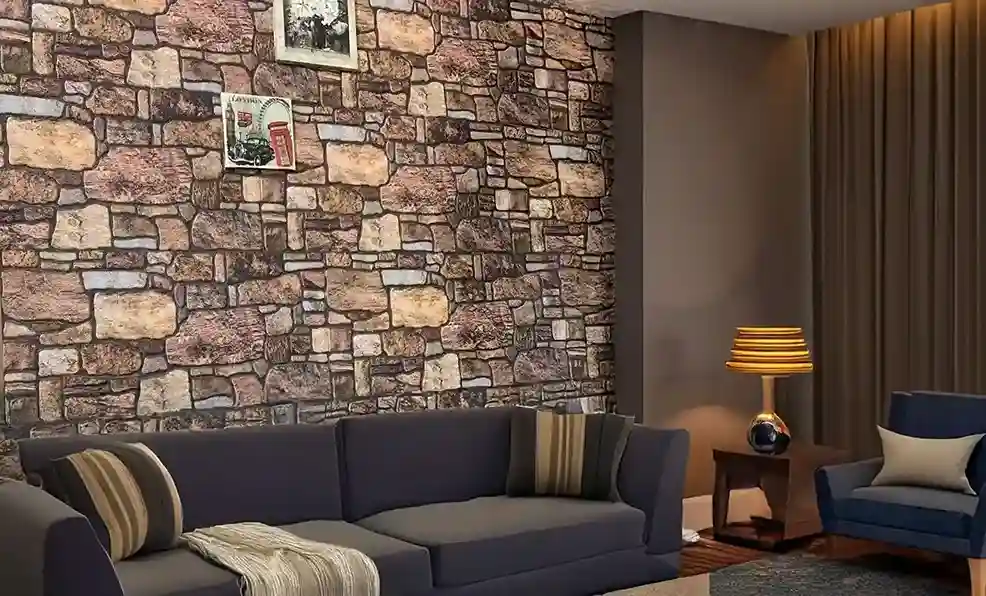

Many people spend money on home upgrades but still feel unhappy with their space. The room may look modern in photos, yet daily life feels stressful, crowded, or uncomfortable. This usually happens when design choices focus more on trends than real comfort.
Contemporary comfort mipimprov solves that problem by combining clean modern design with practical living. Instead of creating spaces that only look good, this approach helps homeowners build rooms that feel peaceful, useful, and easier to enjoy every day.
What Is Contemporary Comfort Mipimprov?
Contemporary comfort mipimprov is a home improvement style built around comfort, simplicity, and modern function. It mixes current interior trends with practical features that improve daily living.
The style usually includes:
- open layouts
- warm lighting
- soft materials
- simple furniture
- organized storage
- calming colors
- flexible spaces
The goal is not perfection. The goal is creating a home that feels comfortable and works well for real life.
Understanding Contemporary Comfort
Contemporary interiors change over time because they follow current lifestyle needs. Modern design, on the other hand, often follows stricter design rules from a specific era.
Contemporary comfort softens modern spaces through:
- natural textures
- comfortable seating
- layered lighting
- balanced décor
- practical room layouts
This style fits many types of homes, including:
- small apartments
- suburban houses
- renovated living rooms
- open-concept interiors
- family spaces
Why Comfort Matters in Modern Homes
Homes now serve many purposes. People work, relax, study, and spend family time in the same space. A room that looks stylish but feels uncomfortable quickly becomes frustrating.
Comfort-focused interiors can help:
- improve daily routines
- reduce visual stress
- support relaxation
- increase functionality
- create better social spaces
Functional Layouts
Good layouts improve movement and usability.
Simple layout ideas include:
- keeping walkways open
- placing seating near natural light
- avoiding oversized furniture
- creating clear activity zones
Interior designers often recommend leaving enough walking space so rooms feel open instead of cramped.
Open Space Concepts
Open layouts help rooms feel brighter and more connected.
You can improve openness by:
- reducing unnecessary décor
- choosing slimmer furniture
- using light wall colors
- improving natural light flow
Large open rooms may still need rugs, curtains, or fabric seating to reduce echo and create warmth.
Focus on Relaxation Areas
A small comfort area can improve the atmosphere of the entire home.
Useful ideas include:
- a quiet reading chair
- soft floor lighting
- calming artwork
- small indoor plants
- cozy fabric textures
These areas help break the feeling of a busy or overly designed space.
Key Elements of Contemporary Comfort
Several design features help create balanced and comfortable interiors.
| Element | Benefit |
|---|---|
| Neutral shades | Create calm visual flow |
| Soft textures | Add warmth |
| Layered lighting | Improve mood |
| Functional furniture | Increase usability |
| Natural materials | Make spaces feel inviting |
Minimalist Furniture
Minimal furniture keeps rooms easier to organize and maintain.
Look for furniture with:
- clean shapes
- hidden storage
- simple finishes
- practical use
Avoid filling rooms with decorative pieces that reduce movement and flexibility.
Neutral Color Palettes
Neutral tones help rooms feel calm and timeless.
Popular options include:
- warm white
- beige
- soft gray
- sand
- cream
Small accent colors can still be added through:
- cushions
- rugs
- artwork
- plants
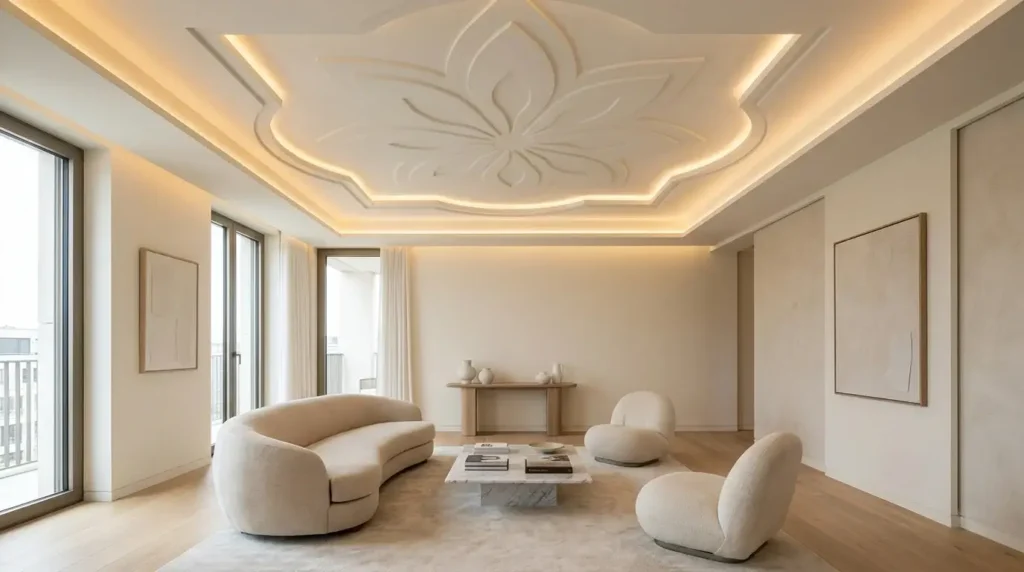
Layered Lighting
One ceiling light rarely creates a comfortable atmosphere.
Layered lighting works better because it combines:
- overhead lighting
- floor lamps
- reading lights
- accent lighting
Warm lighting often feels more relaxing in living spaces than cool white bulbs.
Cozy Textures
Textures make modern spaces feel softer and more comfortable.
Useful materials include:
- woven rugs
- linen curtains
- fabric seating
- knitted blankets
- soft cushions
Even small texture changes can make rooms feel more welcoming.
Warm Lighting Techniques
Lighting strongly affects how a room feels at night.
A softer atmosphere can be created by:
- using warm LED bulbs
- adding dimmable lamps
- placing lighting at different heights
- using indirect lighting near walls
Bright white lighting may work better in work areas than relaxation spaces.
Indoor Plants and Nature
Natural elements help modern interiors feel less artificial.
Indoor plants can:
- soften sharp design lines
- add visual balance
- improve room appearance
Low-maintenance plants are usually best for beginners.
Living Room Applications
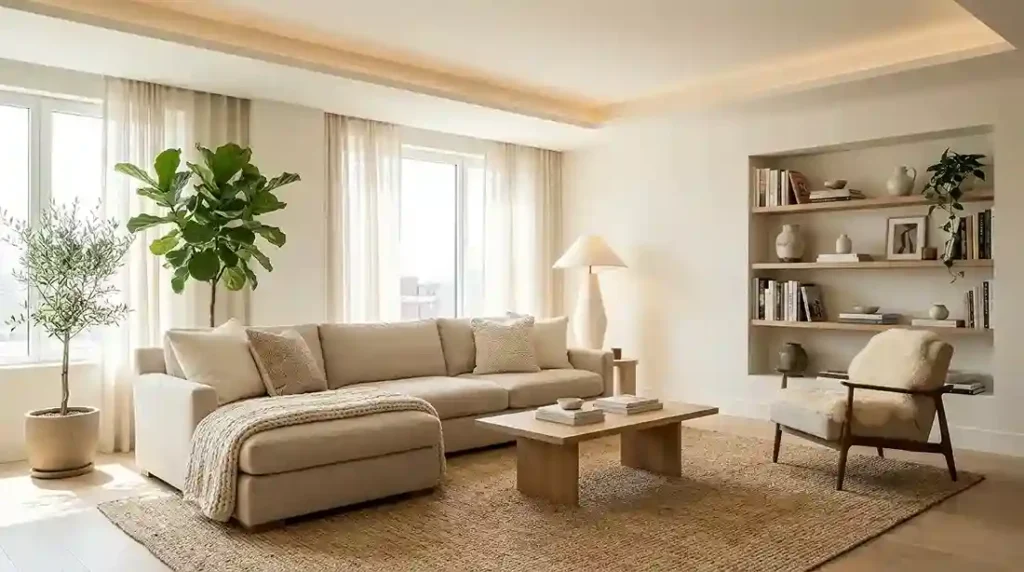
The living room is one of the most important areas in contemporary comfort design. Many homeowners searching for living room decoration mipimprov ideas want a space that feels modern without becoming cold or overcrowded.
Modern Living Room Design
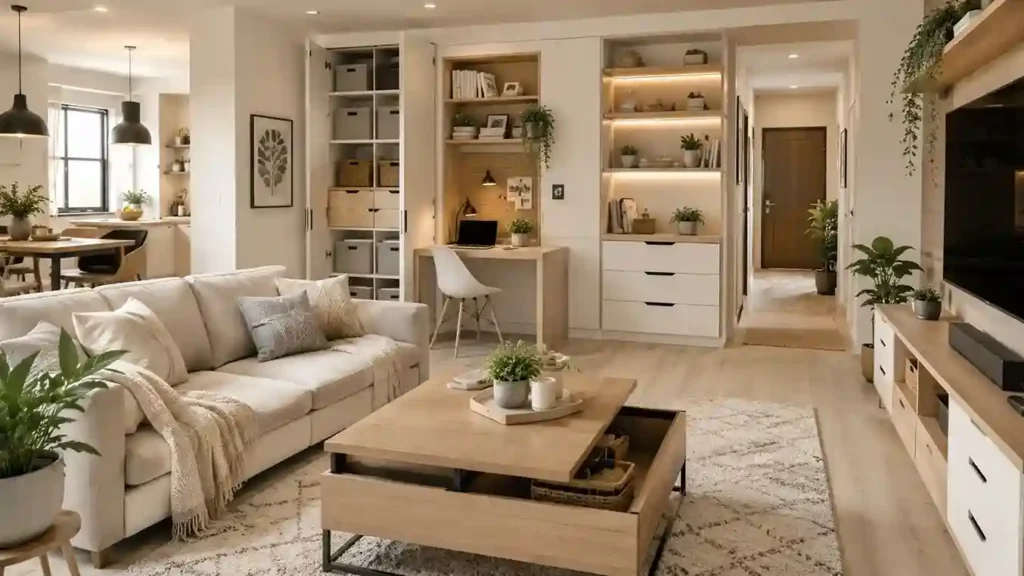
Comfort-focused living rooms usually include:
- open movement
- balanced furniture placement
- flexible seating
- practical storage
- simple décor
The space should support conversation, relaxation, and daily use.
Create Functional Layouts
Furniture should support how the room is actually used.
Helpful ideas include:
- placing tables within easy reach
- creating clear walking paths
- arranging seating around conversation areas
- avoiding blocked windows
A functional room often feels larger even without extra square footage.
Use Neutral Colors
Neutral walls create flexibility and help natural light spread more evenly.
Contrast can still be added through:
- wood finishes
- darker accent pieces
- textured fabrics
- greenery
Add Soft Textures
Modern living rooms feel more comfortable when soft materials are added carefully.
Easy upgrades include:
- area rugs
- textured pillows
- fabric ottomans
- layered curtains
Improve Natural Lighting
Natural light helps interiors feel cleaner and more open.
To improve brightness:
- use lighter curtains
- avoid heavy window coverings
- position mirrors carefully
- reduce clutter near windows
Declutter Your Space
Clutter affects both appearance and comfort.
Simple organization tools include:
- storage benches
- floating shelves
- hidden cabinets
- decorative baskets
Reducing visible clutter often makes rooms feel calmer immediately.
Open Walking Space
Rooms feel more comfortable when movement feels natural.
Avoid:
- oversized coffee tables
- narrow pathways
- crowded furniture groupings
Open movement improves both function and visual balance.
Bedroom Comfort Ideas
Bedrooms should support rest, privacy, and relaxation.
Comfortable Bedroom Styling
Comfort-focused bedrooms often use:
- soft bedding
- calming colors
- warm lighting
- simple furniture
- blackout curtains
Too much decoration can make sleeping spaces feel busy and stressful.
Reading Corners
A small reading corner creates a quiet place to relax without needing major renovation work.
Basic setup ideas include:
- one chair
- soft lighting
- a side table
- a small blanket
Cozy Rugs and Fabrics
Soft materials improve comfort and reduce the cold feeling created by hard flooring.
Popular choices include:
- cotton bedding
- textured rugs
- linen curtains
- upholstered headboards
Furniture Selection Tips
Furniture affects comfort more than many homeowners realize.
Choose Comfortable Furniture
Good furniture should support daily use for many years.
Before buying furniture, check:
- back support
- seating depth
- fabric durability
- cushion quality
Furniture that looks stylish online may not feel comfortable in daily life.
Multi Functional Furniture
Multi-use furniture helps save space and reduce clutter.
Popular options include:
- storage ottomans
- sofa beds
- extendable tables
- nesting tables
These pieces work especially well in apartments and smaller homes.
Multipurpose Storage
Storage should improve organization without making rooms feel crowded.
Useful ideas include:
- under-bed storage
- built-in shelving
- wall-mounted cabinets
- bench seating with storage
Good storage supports a cleaner and more relaxing environment.
Lighting and Atmosphere
Lighting changes how a room feels throughout the day.
Use Layered Lighting
Balanced lighting usually combines:
- ambient lighting
- task lighting
- accent lighting
This setup improves flexibility and creates a softer atmosphere.
Improve Natural Lighting
Natural light can make rooms feel larger and more welcoming.
Helpful changes include:
- cleaning windows regularly
- using lighter window treatments
- placing reflective surfaces carefully
Warm Lighting Techniques
Warm lighting usually works best in:
- living rooms
- bedrooms
- relaxation areas
Cooler lighting may still be useful in kitchens, offices, and workspaces.
Technology and Smart Living
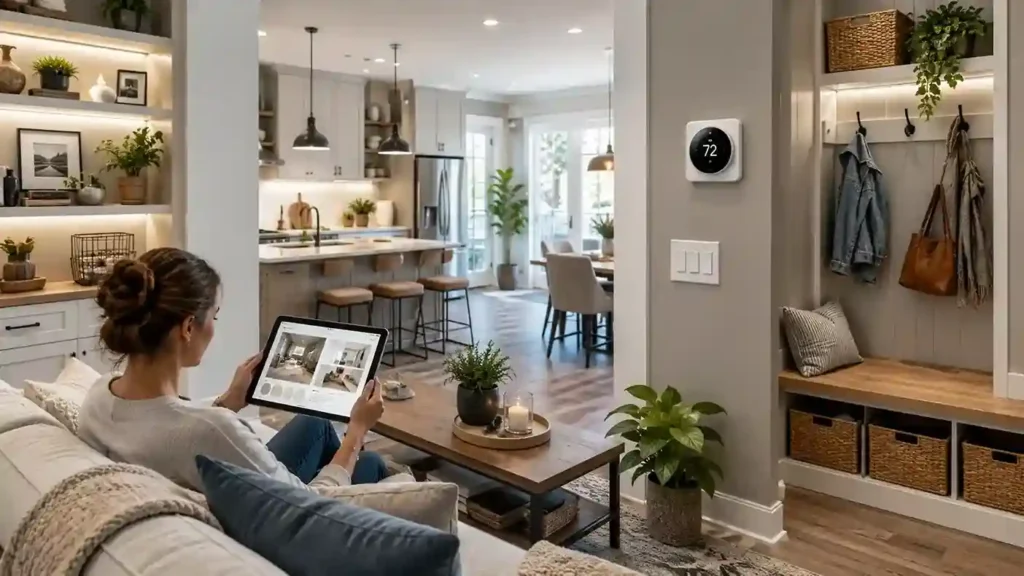
Modern comfort now includes smart technology that improves convenience and efficiency.
Smart Home Integration
Smart upgrades can improve:
- lighting control
- indoor temperature
- security
- daily convenience
Popular systems include:
- smart thermostats
- app-controlled lighting
- voice assistants
- automated blinds
Older homes may need electrical updates before installing advanced systems.
Smart Home Devices
Many devices are beginner-friendly and simple to install.
Common starter devices include:
- smart plugs
- wireless cameras
- video doorbells
- smart bulbs
Smart Thermostats
Smart thermostats help maintain stable temperatures while reducing unnecessary energy use.
Results vary depending on:
- home insulation
- climate
- usage habits
- system quality
Sustainable Design Choices
Sustainability has become an important part of home improvement tips mipimprov planning.
Sustainability in Interior Design
Sustainable interiors focus on:
- durable materials
- reduced waste
- energy efficiency
- healthier indoor spaces
Long-lasting materials are often more cost-effective over time.
Eco-Friendly Materials
Popular eco-friendly materials include:
- reclaimed wood
- bamboo flooring
- low-VOC paint
- natural stone
Material quality matters as much as appearance.
Energy Efficient Solutions
Simple upgrades can improve energy efficiency without changing the full design style.
Common improvements include:
- LED lighting
- insulated windows
- ceiling fans
- efficient appliances
Some upgrades may require professional installation.
Benefits of Contemporary Comfort Mipimprov
This design approach offers practical long-term benefits.
Main Advantages
- calmer interiors
- improved organization
- better room flow
- easier maintenance
- stronger usability
- balanced modern style
Homes designed around comfort often stay functional longer because they focus on real daily needs instead of short-term design trends.
Common Mistakes to Avoid
Many homeowners accidentally reduce comfort while trying to improve appearance.
Common mistakes include:
- overcrowding rooms
- using harsh lighting
- ignoring storage needs
- buying furniture without measurements
- following trends without planning
Good design should support comfort first and decoration second.
Frequently Asked Questions
Final Thoughts
Contemporary comfort mipimprov focuses on creating homes that support everyday life instead of only following design trends. Many homeowners eventually realize that a peaceful and functional room feels more valuable than a perfectly styled space that lacks comfort. Experience from real renovation projects shows that simple changes like better lighting, organized layouts, practical storage, and softer textures often improve a home more than expensive decorative upgrades.