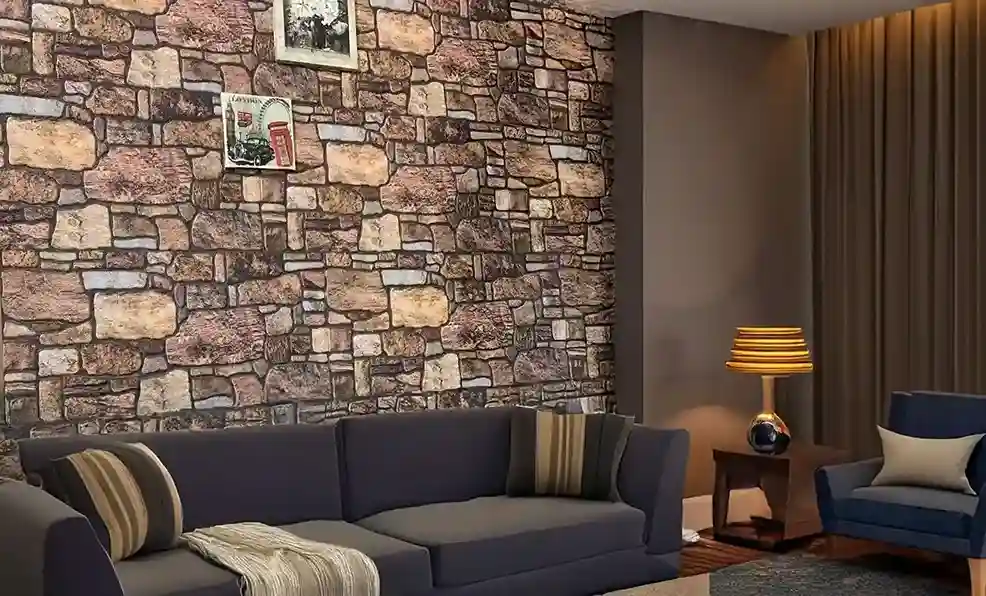

Many homeowners want a clean and comfortable space, but daily life often gets in the way. Clutter builds up fast, storage feels limited, and rooms stop feeling relaxing. Some people also spend money on upgrades that do not improve comfort or functionality.
That is why practical home improvement matters. These tips drhomey ideas focus on simple changes that improve organization, comfort, lighting, and everyday living. Most upgrades do not require expensive remodeling. Small improvements done correctly can completely change how a home feels.
Start with Decluttering
Decluttering is one of the easiest ways to improve a home quickly. A crowded room feels stressful even when it is clean.
Start small. Focus on one drawer, shelf, or corner at a time. This keeps the process manageable.
Use Hidden Storage Spaces
Hidden storage helps reduce visible mess.
Helpful examples include:
- Beds with built-in drawers
- Storage benches
- Wall cabinets
- Under-bed containers
- Ottoman storage boxes
These solutions work well in apartments and smaller homes.
Keep Frequently Used Items Accessible
Daily-use items should stay within easy reach.
For example:
| Item | Best Storage Area |
|---|---|
| Keys | Entry table |
| Cooking tools | Near the stove |
| Towels | Open bathroom shelf |
| Chargers | Desk organizer |
Simple placement saves time and keeps surfaces cleaner.
Smart Home Organization Tips
Organization systems should feel easy to maintain. Complex systems usually fail after a few weeks.
One useful approach is dividing rooms into activity zones. Keep related items together based on how you use the space.
Use Vertical Storage
Walls provide extra storage without taking floor space.
Good vertical storage ideas include:
- Floating shelves
- Hanging baskets
- Wall hooks
- Tall cabinets
- Pegboards
This approach makes smaller rooms feel more open.
Label Everyday Items
Labels improve consistency in shared homes.
You can label:
- Pantry containers
- Toy bins
- Cleaning products
- Storage baskets
Clear labels reduce confusion and make cleaning easier.
Create Multi-Purpose Rooms
Modern homes often need flexible layouts.
Examples include:
- Guest room with a foldable desk
- Dining space with hidden storage
- Living room with a reading corner
Multi-purpose layouts help maximize limited square footage.
Kitchen Organization Tips
The kitchen works better when storage and workflow are planned properly.
Poor kitchen organization often leads to wasted time and crowded countertops.
Use Smart Storage Solutions
Functional storage improves cooking efficiency.
Helpful upgrades include:
- Pull-out pantry shelves
- Drawer dividers
- Magnetic spice racks
- Stackable containers
- Corner cabinet organizers
Keep frequently used items near preparation areas for smoother workflow.
Living Room Improvement Ideas
The living room should support comfort, conversation, and relaxation.
Furniture placement and lighting have a major impact on how the room feels.
Optimize Natural Lighting
Natural light makes rooms appear larger and cleaner.
To improve lighting:
- Use thin curtains
- Keep windows clear
- Add mirrors across from windows
- Choose lighter wall colors
Even small lighting changes can improve mood and comfort.
Improve Lighting Placement
One ceiling light is usually not enough.
A balanced room often includes:
- Overhead lighting
- Table lamps
- Floor lamps
- Accent lighting
Warm white LED bulbs usually create a softer atmosphere than harsh cool lighting.
Bedroom Storage Hacks
Bedrooms should feel calm and easy to maintain.
Too much visible clutter can affect comfort and sleep quality.
Use Multi-Functional Furniture
Furniture with storage helps maximize floor space.
Popular choices include:
- Beds with drawers
- Storage benches
- Foldable desks
- Nightstands with shelves
Always measure the room before buying large furniture pieces.
Bathroom Space-Saving Tips
Bathrooms become crowded quickly because storage is limited.
Small layout adjustments can improve both appearance and functionality.
Open Up Small Spaces
Light colors and reflective surfaces help bathrooms feel larger.
Useful upgrades include:
- Large mirrors
- Floating shelves
- Glass shower panels
- Compact storage cabinets
Avoid oversized furniture in narrow bathrooms.
Interior Design Ideas for Modern Homes
Modern interior design focuses on comfort, simplicity, and usability.
A beautiful home should also support daily routines.
Choose Neutral Color Schemes
Neutral colors remain popular because they fit many styles.
Common choices include:
- Beige
- Warm white
- Light gray
- Soft cream
You can add personality later through artwork, rugs, or pillows.
Focus on Comfortable Furniture
Comfort matters more than appearance alone.
Before buying furniture:
- Test seating support
- Check fabric durability
- Measure doorways and room size
- Think about long-term use
Many people regret buying furniture that looks good but feels uncomfortable.
Small Space Living Solutions
Smaller homes need better planning, not necessarily more furniture.
Open movement and smart storage improve daily comfort.
Create Functional Spaces
Each area should support a clear purpose.
Examples:
- Foldable dining tables
- Wall-mounted desks
- Under-sofa storage
- Narrow shelving units
Avoid blocking walkways with unnecessary furniture.
Budget-Friendly Home Improvement Tips
You do not need a large budget to improve your home.
Affordable upgrades often create strong visual results.
Choose Easy-to-Clean Materials
Low-maintenance materials save cleaning time and reduce wear.
Examples include:
| Area | Practical Material |
|---|---|
| Kitchen counters | Quartz |
| Bathroom walls | Ceramic tile |
| Flooring | Vinyl plank |
| Walls | Washable paint |
Durable materials usually lower maintenance costs over time.
Affordable Home Upgrade Ideas
Budget-friendly improvements include:
- Repainting walls
- Updating cabinet handles
- Installing shelves
- Replacing old curtains
- Changing outdated lighting fixtures
Small updates can refresh a room without major construction work.
DIY Home Maintenance Tricks
Basic maintenance helps prevent larger repair bills.
Small issues often become expensive when ignored.
Fix Minor Problems Early
Quick repairs reduce long-term damage.
Pay attention to:
- Loose handles
- Water leaks
- Cracked sealant
- Peeling paint
If you notice electrical problems or structural damage, contact a qualified professional.
Schedule Regular Maintenance
Simple monthly checks improve home safety.
Useful tasks include:
- Testing smoke detectors
- Replacing HVAC filters
- Checking plumbing connections
- Cleaning vents
Seasonal maintenance also helps improve energy efficiency.
Keep Up with Home Maintenance
Home care works best when done consistently.
Even short weekly cleaning and inspection routines help prevent larger problems later.
Energy Efficiency Tips
Energy-efficient homes often feel more comfortable and cost less to operate.
Small changes can improve efficiency without major renovation work.
Reduce Energy Waste
Useful energy-saving habits include:
- Switching to LED bulbs
- Sealing air leaks near windows
- Using programmable thermostats
- Turning off unused electronics
Actual savings depend on home size, climate, and appliance condition.
Improve Indoor Air Quality
Indoor air quality affects comfort, airflow, and cleanliness.
Dust buildup and moisture problems can make rooms feel uncomfortable.
Add Plants for a Healthier Environment
Indoor plants improve room appearance and may support air freshness.
Popular low-maintenance plants include:
- Snake plant
- Aloe vera
- Spider plant
- Peace lily
Plants should support airflow improvements, not replace proper ventilation.
Home Office Setup Ideas
A functional home office improves focus and comfort during long work sessions.
Poor desk setup can lead to eye strain and posture problems.
A useful workspace should include:
- Supportive seating
- Proper lighting
- Cable organization
- Quiet surroundings
Place screens at eye level to reduce neck strain.
Smart Cleaning Habits
Cleaning becomes easier when routines stay simple.
Small daily habits reduce the need for deep cleaning sessions.
Cleaning and Decluttering Hacks
Useful habits include:
- Wiping counters daily
- Returning items after use
- Sorting mail immediately
- Cleaning high-traffic areas regularly
Simple systems usually work better than strict cleaning schedules.
Safety and Maintenance Tips
Safety should always come before appearance during home improvement projects.
Important safety checks include:
- Smoke detector testing
- Electrical outlet inspection
- Slip prevention in bathrooms
- Secure furniture placement
Always follow local safety requirements for renovation work.
Common Home Improvement Mistakes
Many renovation mistakes happen because of poor planning.
Common problems include:
- Ignoring storage needs
- Buying oversized furniture
- Choosing poor lighting
- Skipping measurements
- Starting DIY work without proper tools
Planning room layouts before buying materials helps avoid wasted money.
Frequently Asked Questions
Final Thoughts
A functional home is usually built through small smart decisions instead of expensive upgrades. Over time, homeowners often discover that good lighting, practical storage, regular maintenance, and thoughtful layouts improve comfort more than trendy decorations. These drhomey handy tips focus on realistic improvements that support daily life, reduce stress, and help create a cleaner and more organized home for the long term.