
Hospitality bathroom design has evolved far beyond aesthetics. Modern hotels, resorts, serviced apartments, and commercial hospitality properties now prioritize durability, hygiene, maintenance efficiency, and long-term operational performance when selecting bathroom materials. Since hotel bathrooms experience continuous daily use, exposure to moisture, cleaning chemicals, temperature fluctuations, and heavy guest traffic, material durability directly impacts maintenance costs, renovation cycles, and guest satisfaction.
Within this environment, solid surface materials have become an increasingly preferred solution in hospitality bathroom design. Their non-porous structure, seamless fabrication, impact resistance, and repairability make them highly suitable for hospitality spaces that require both visual consistency and long-term performance.
From luxury hotel bathrooms to high-traffic commercial washrooms, solid surface materials help improve durability while supporting modern interior design standards and operational efficiency.
The Importance of Durable Materials in Hospitality Bathrooms
Bathrooms are among the most heavily used areas in hospitality properties. Unlike residential environments, hotel bathrooms operate continuously with high guest turnover, frequent cleaning cycles, and constant moisture exposure. As a result, materials used in hospitality bathrooms must withstand intensive use without deteriorating in appearance or performance.
What Are Solid Surface Materials?
Solid surface materials are engineered composites made from acrylic or polyester resins, mineral fillers, and pigments. Unlike layered materials, they have a homogeneous structure throughout the entire surface thickness, allowing seamless fabrication and surface repair.
Their thermoforming capability also allows custom shapes and integrated bathroom designs without visible joints.
How Solid Surface Materials Improve Bathroom Durability
Resistance to Moisture and Humidity
Hospitality bathrooms are continuously exposed to steam, water, and humidity. Because solid surface materials are non-porous, they prevent water penetration that can cause swelling, mold growth, staining, or structural deterioration in traditional materials.
By reducing moisture-related damage, hospitality operators can minimize maintenance issues and extend product lifespan.
Impact Resistance in High-Traffic Environments
Hotel bathrooms experience constant daily use from guests, housekeeping teams, and maintenance staff. Surfaces are frequently exposed to dropped objects, luggage impact, and repeated operational use.
Solid surface materials are engineered to provide strong impact resistance and structural stability. High-quality solid surface products resist cracking, chipping, and deformation more effectively than many traditional bathroom materials.
Seamless Construction Reduces Weak Points
One of the major durability advantages of solid surface materials is seamless fabrication. Components such as countertops, sinks, wall panels, and backsplashes can be joined with nearly invisible seams.
Traditional materials often contain grout lines, joints, or gaps where moisture, dirt, and bacteria accumulate. These weak points can deteriorate over time and increase maintenance requirements.
Hygienic Performance and Durability
Durability in hospitality spaces is closely connected to hygiene performance. Materials that trap moisture, bacteria, or contaminants often deteriorate faster while creating operational challenges.
Solid surface materials improve hygiene because their non-porous surface prevents the absorption of Water, Soap residue, Bacteria, Mold spores, Dirt and contaminants
Design Flexibility Without Sacrificing Durability
Thermoforming and Integrated Design
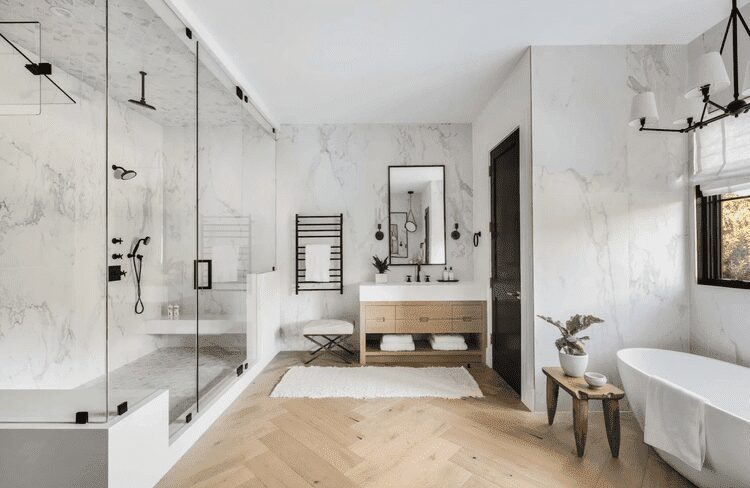
Solid surface materials can be thermoformed into curved and customized shapes, allowing architects and designers to create integrated sinks and countertops, curved vanity units, freestanding bathtubs, custom shower walls, and seamless bathroom installations. For hospitality projects seeking the best solid surface bathtub solutions, these materials provide a balance between durability, seamless aesthetics, and long-term operational performance.
Consistent Appearance Over Time
Material consistency is important in hotel operations because visible wear or discoloration can negatively impact guest perception.
Solid surface materials maintain color consistency throughout the material thickness, helping preserve appearance despite long-term use. Since the surface is homogeneous, refinishing can restore appearance without exposing different underlying layers.
Operational Benefits for Hotels
From an operational perspective, solid surface materials support long-term efficiency through:
- Low maintenance requirements
- Easy cleaning and sanitation
- Reduced repair frequency
- Extended product lifecycle
- Lower renovation costs
Because the material is repairable and resistant to moisture-related damage, hospitality operators can reduce downtime and maintenance disruptions.
Sustainability and Long-Term Hospitality Value
Sustainability is increasingly influencing hospitality construction and renovation decisions. Durable materials contribute to sustainability goals by reducing replacement frequency and minimizing material waste.
Solid surface materials are sustainable. For hospitality operators, durable bathroom materials also support long-term operational value by reducing disruptions, maintenance expenses, and refurbishment requirements.
Choosing the Right Manufacturer for Hospitality Projects
For large hospitality developments, selecting the right manufacturer is essential for ensuring product durability, consistent quality, and stable project execution. Reliable manufacturers support hotel developers through strong quality control standards, OEM and ODM manufacturing capabilities, customization support, stable production capacity, and efficient packaging and international logistics management. These factors help maintain design consistency, reduce operational risks, and support long-term performance across hospitality projects.
Conclusion
Solid surface materials improve bathroom durability in hospitality spaces by combining moisture resistance, seamless fabrication, impact durability, hygiene performance, and maintenance efficiency within a single engineered material solution.
Their ability to withstand continuous use while supporting modern hospitality aesthetics makes them an ideal choice for hotels, resorts, spas, and commercial bathroom environments focused on long-term operational value and guest satisfaction